
Caterpillar identification: safe handling and species
Caterpillars are everywhere in gardens, parks, and forests, yet many people hesitate to touch them. Some are safe and even beneficial to handle, while others can sting, irritate skin, or cause more serious reactions. Knowing how to identify basic caterpillar types and handle them safely helps you enjoy close-up observations without unnecessary risk.
Core Principles of Safe Caterpillar Identification
Safe caterpillar identification starts with observing structure, not just color. Many species mimic others, and dramatic patterns can be misleading. Focus first on body shape, hair type, and overall build, then on color bands, spots, and host plant. These features together offer better clues than a single striking detail.
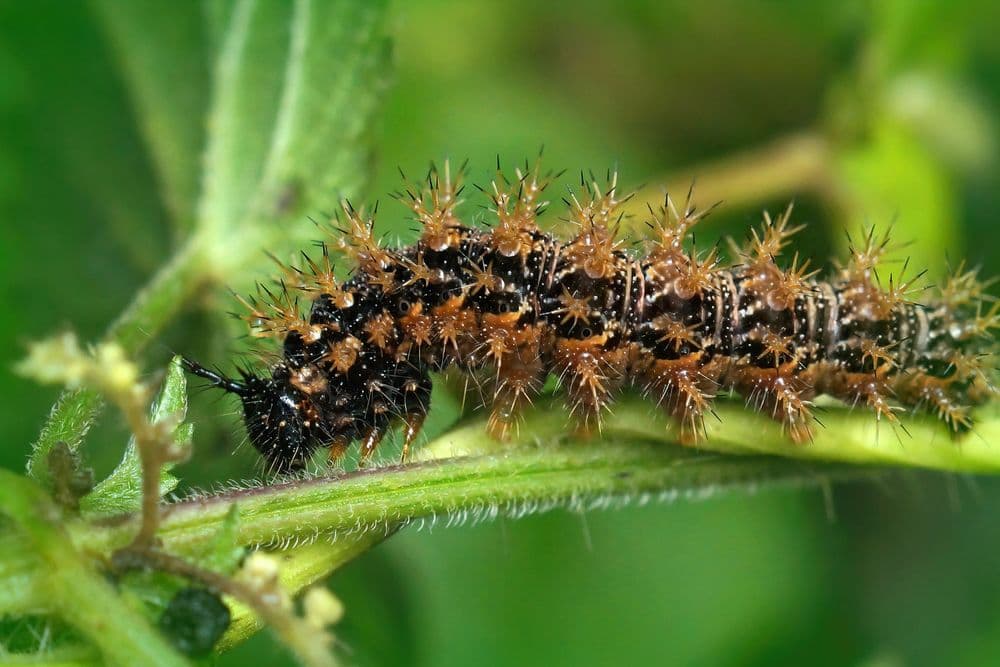
Several visual traits often signal higher risk. Dense, tufted, or spiky hairs and bright warning colors can indicate stinging species or those that pick up irritating toxins from host plants. Smooth-bodied, lightly hairy, and uniformly green or brown caterpillars are more often harmless, although there are exceptions in both directions.
When assessing a caterpillar, examine the head, legs, and “prolegs” (the fleshy stubs along the body). True caterpillars of butterflies and moths usually have a series of prolegs ending before the very tip, while sawfly larvae have more numerous, evenly spaced prolegs. Sawfly larvae can defoliate plants aggressively but do not sting, which matters for gardeners deciding on management.
Color patterns can narrow identification but are rarely definitive alone. Longitudinal stripes, eye-like spots, and contrasting head colors are recurring motifs across many families. Photograph the caterpillar from the side and from above, ideally showing the plant it is feeding on and something for scale. These images support accurate comparison with field guides or online identification tools without repeated handling.
Handling Caterpillars Safely
Most caterpillar-related problems arise from direct contact with hairs or spines, not from bites. Adopting a “safety-first” approach means assuming any unknown fuzzy or spiky caterpillar might sting and handling accordingly. This attitude preserves curiosity while preventing painful or medically significant encounters.
If you need to move a caterpillar, use tools rather than bare fingers whenever possible. A soft paintbrush, a leaf, or a small twig can gently nudge the animal onto a surface you control, such as a jar lid or another leaf. This technique minimizes contact with defensive structures while reducing pressure on the caterpillar’s body, which is delicate and easily crushed.
Personal protection is simple but effective. Thin gloves, long sleeves, and avoiding contact with your face during handling reduce the risk of hairs transferring to sensitive skin, eyes, or mouth. After any interaction with caterpillars or their host plants, wash your hands with soap and water rather than relying on hand sanitizer, which does not remove embedded hairs or proteins.
If you accidentally touch a stinging caterpillar, treat the area as you would a mild sting or contact with fiberglass. Use adhesive tape pressed lightly against the skin to pull away embedded hairs, then wash with soap and water. Cold compresses and over-the-counter antihistamine or hydrocortisone creams may reduce itching and swelling. Seek medical care promptly if you experience widespread hives, difficulty breathing, dizziness, or eye involvement, especially after contact with well-known venomous species.
For those raising caterpillars indoors, safe handling extends to container hygiene. Use ventilated containers, provide fresh host leaves, and clean frass (droppings) regularly with disposable tools. Avoid blowing into containers or handling frass bare-handed, as irritating hairs can accumulate there even when the caterpillar itself is no longer present.
Recognizing Harmless but Common Caterpillars
Many of the caterpillars people encounter in yards and school projects are harmless to touch, though they may still trigger mild irritation in sensitive individuals. Learning to recognize a few common groups helps build confidence and prevents unnecessary fear. Familiar species also serve as practice for comparing subtle differences that separate safe look-alikes from riskier relatives.
Swallowtail caterpillars are a frequent sight on dill, fennel, parsley, and similar garden plants. They are typically smooth-bodied with bold green bands marked by black and yellow or orange spots. When disturbed, they evert a small, forked orange organ behind the head that emits a distinct odor to deter predators rather than to harm human skin. Gentle handling is generally safe, though their soft bodies require careful support.
Hornworm caterpillars, such as tomato and tobacco hornworms, appear formidable with their large size and singular tail “horn.” Despite their aggressive look, the horn is flexible and not a stinger. These caterpillars are smooth, thick, and bright green with oblique white stripes or spots along the sides. They may rear back or thrash when touched but do not possess venomous spines and are safe to move by hand if you choose to relocate them from crops.
Many moth caterpillars in temperate regions are modestly hairy but not dangerous. These include various inchworms, loopers, and some tussock moth larvae. Light, evenly distributed hairs without dense tufts or rigid spines are usually less problematic. However, frequent contact can still cause irritation, so repeated handling should be minimized even with known harmless species, particularly for children and people with sensitive skin.
Identifying harmless species accurately often comes down to cross-checking multiple traits. Note the exact plant being eaten, the time of year, and whether the caterpillar feeds alone or in groups. Online identification tools and regional field guides that sort by host plant, color pattern, and body shape are especially useful. Comparing your photos with verified records encourages precise identification and fosters responsible sharing of information with other observers.
Identifying and Avoiding Stinging or Hazardous Species
Several caterpillar groups have evolved true defensive spines or hairs that can inject or deliver toxins, making accurate identification more than a matter of curiosity. These species are often ornate, which draws human attention, but their striking appearance usually serves as a warning, not an invitation to touch. Recognizing a few broad “danger categories” significantly reduces the chance of painful encounters.
Slug caterpillars, a family that includes saddleback and other colorful species, have flattened bodies with multiple rows of spines or lobes. The saddleback caterpillar is particularly memorable, with a bright green “saddle” patch centered on a brown body and radiating prickly horns. Its spines can deliver a painful sting that may cause localized swelling, rashes, or in sensitive individuals, systemic symptoms. Any caterpillar with a flattened profile and multiple bristling spines is best observed without direct contact.
Flannel moth caterpillars, sometimes called puss caterpillars, resemble soft tufts of fur with no visible legs or head from above. Beneath that plush coat lie venomous spines capable of causing intense pain, radiating burning sensations, and sometimes nausea or headache. Colors can range from cream to gray or orange, and they may be found on shade trees, ornamentals, and shrubs. Avoid touching any caterpillar that looks like a compact, fuzzy “cotton ball” or miniature animal pelt.
Certain hairy processionary species form conspicuous head-to-tail lines along trunks and branches. Their loose, easily detached hairs can become airborne and cause irritation or allergic reactions on skin and in airways. Even old nests and shed skins may remain problematic long after the larvae have pupated. If you see long trails of matching caterpillars moving in single file, avoid disturbance, maintain distance, and keep pets and children away from the area.
Because many stinging caterpillars are geographically restricted, local knowledge is invaluable. Regional extension services, natural history museums, and citizen science platforms often highlight problematic species in your area with photos and clear warnings. Use your location, host plant, and body form as key filters when checking identification. When in doubt, do not touch any caterpillar with dense tufts, rigid spines, or a soft “fur coat,” and rely instead on photography and non-contact observation.
Conclusion
Caterpillar identification and safe handling rely on careful observation, not bravado. Prioritizing body shape, hair type, and host plant lets you quickly sort likely harmless species from those that demand more caution. Simple habits like using tools instead of fingers, wearing light protection, and washing after contact greatly reduce risk. With these practices, you can explore caterpillar diversity closely while protecting both your skin and the animals themselves.
 X
X Facebook
 Telegram
 Instagram
 WhatsApp