
Bed bugs vs fleas: identification and bite signs
Telling bed bugs from fleas matters, because mixing them up wastes time and makes infestations harder to control. Both are small, blood-feeding insects whose bites itch intensely, but they look and behave very differently. Learning a few clear visual clues and recognizing typical bite patterns can help you decide what you are dealing with and what to do next.
Visual Identification: Bed Bugs vs Fleas
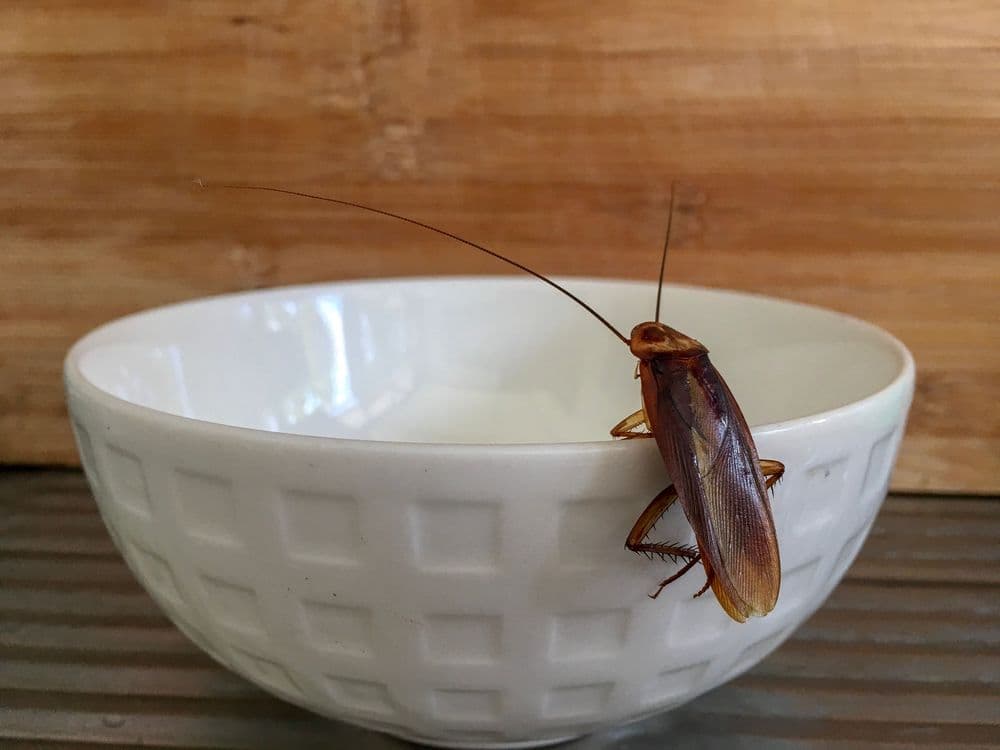
At a glance both pests are tiny, fast, and brown, but their body shape and movement offer reliable clues. Bed bugs are flattened, oval insects that move with a crawling, beetle‑like gait. Fleas are compressed sideways, shaped like a narrow grain of rice, and are built to jump. Watching how the insect moves is often the simplest way to tell them apart.
Adult bed bugs are usually 4–7 mm long, about the size and shape of an apple seed, with a broad, flat, oval body when unfed and a more elongated, ballooned look after feeding. They are reddish‑brown, with six legs, no wings, and short antennae. Their bodies appear segmented, with fine hairs and a distinct, rounded rear end. Young bed bugs (nymphs) resemble smaller, paler versions of adults and may look almost translucent before their first blood meal.
Fleas are much smaller than adult bed bugs, typically 1.5–3 mm long, with a laterally flattened body that lets them slip between animal hairs. They are dark brown to almost black and have powerful hind legs that allow them to jump several centimeters vertically. Under magnification, fleas look sleek and narrow, with a smooth, shiny surface, while bed bugs look broader and more plate‑like. If you see an insect shooting off in quick hops rather than steady crawling, it is almost certainly a flea rather than a bed bug.
Where you find the insect can also guide identification, although it is not foolproof. Bed bugs tend to hide in cracks and seams near where people sleep, such as mattress edges, box springs, bed frames, and nearby furniture. Fleas are more likely to be in pet bedding, carpets, and areas where animals rest or move frequently. However, heavy infestations can spread beyond these preferred zones, so visual features and movement remain the most reliable identifiers.
Bite Appearance and Patterns
Although bed bug and flea bites can both be very itchy and look similar at first, they often show distinct patterns on the skin. Recognizing these patterns, along with where on the body they occur, helps narrow down which insect is attacking you. Individual reactions vary, but there are typical trends that show up in many people.
Bed bug bites commonly appear as small, raised, reddish bumps that may have a darker center and a paler halo around them. They often occur in clusters or in a line, sometimes called “breakfast, lunch, and dinner.” These lines usually follow areas where the skin presses against the mattress or sheet, such as the arms, shoulders, neck, lower back, or sides of the body. Bed bugs feed at night while you are still, moving along exposed skin and biting multiple times in a row, which explains the linear or zigzag patterns.
Flea bites are usually smaller than bed bug bites and tend to have a red center with a surrounding pink or red area. They may form small clusters, but they are less likely to line up in neat rows. Fleas most often bite on the lower legs, ankles, and feet, targeting skin that is close to the ground and easy to reach from carpets or pet bedding. People often notice them after walking through an infested area, such as a rug where a pet has been resting. In many cases, the itching from flea bites begins quickly, sometimes within minutes.
Location on the body is a useful clue, though not absolute. Bites around ankles, feet, and lower legs, especially if you have pets, point more strongly to fleas. Bites on upper body areas that are in contact with a bed, particularly appearing overnight, point more toward bed bugs. However, both insects can bite almost anywhere if conditions allow, and some people show delayed or minimal skin reactions. Because of this variation, bite appearance alone should be treated as a guide, not final proof.
Clues in the Environment and On Hosts
Beyond the insects and bites themselves, the surrounding environment often provides decisive evidence. Bed bugs leave characteristic traces on bedding and furniture, while fleas leave signs on pets and soft furnishings. Looking for these indicators can confirm your suspicion and steer you toward either bed bug treatment or flea control.
Bed bug infestations usually produce dark spotting on sheets, mattress seams, and nearby cracks. These are tiny black or dark brown fecal stains, often described as looking like pepper spots or ink dots from a marker. You may also see pale, empty shells from shed skins and tiny, whitish eggs in protected crevices. Heavy infestations can produce a sweet, musty odor in confined spaces. Finding live bed bugs or their shed skins in mattress seams, behind headboards, or in furniture joints near the bed strongly supports bed bugs as the source of bites.
Fleas, by contrast, often reveal themselves through signs on pets and in areas where animals rest. A common clue is “flea dirt,” which is flea feces composed largely of digested blood. It looks like black pepper sprinkled through fur or on bedding. When placed on a damp white tissue, flea dirt dissolves into reddish‑brown streaks. Pets may scratch, bite, or lick themselves intensely, particularly around the back, tail base, and inner thighs. You may also see fleas jumping on your socks or legs when you walk on infested carpets.
The timing of symptoms can also help differentiate the two. Bed bug bites often appear after a night’s sleep and may show up hours to days later as the body reacts. Flea bites on humans often appear quickly after exposure, such as following time spent on the floor, in a pet’s favorite spot, or outdoors in a flea‑infested area. Combining bite patterns, body location, environmental signs, and the presence or absence of pets usually allows a confident distinction between flea and bed bug problems.
Conclusion
Distinguishing bed bugs from fleas rests on three pillars: how the insect looks and moves, where and how the bites appear, and what clues are left in the environment. Bed bugs are larger, oval, crawling insects that leave lined‑up bites on upper body areas and dark specks on bedding. Fleas are tiny, jumping, laterally flattened insects that favor ankles and pets, leaving flea dirt in fur and carpets. Use these signs together to identify which pest you face and choose targeted control, and seek professional help promptly if uncertainty or heavy infestation persists.
 X
X Facebook
 Telegram
 Instagram
 WhatsApp