
Silverfish identification: signs, habits, and fixes
Silverfish are small, secretive insects that often go unnoticed until they damage books, clothes, or stored papers. Because they are masters of hiding in cracks and dark corners, the key to controlling them is learning to spot subtle signs, understand their everyday habits, and apply targeted fixes instead of random spraying. This guide walks you through silverfish identification, the clues they leave behind, and practical steps to get them under control and keep them away.
How to Identify Silverfish and Their Telltale Signs
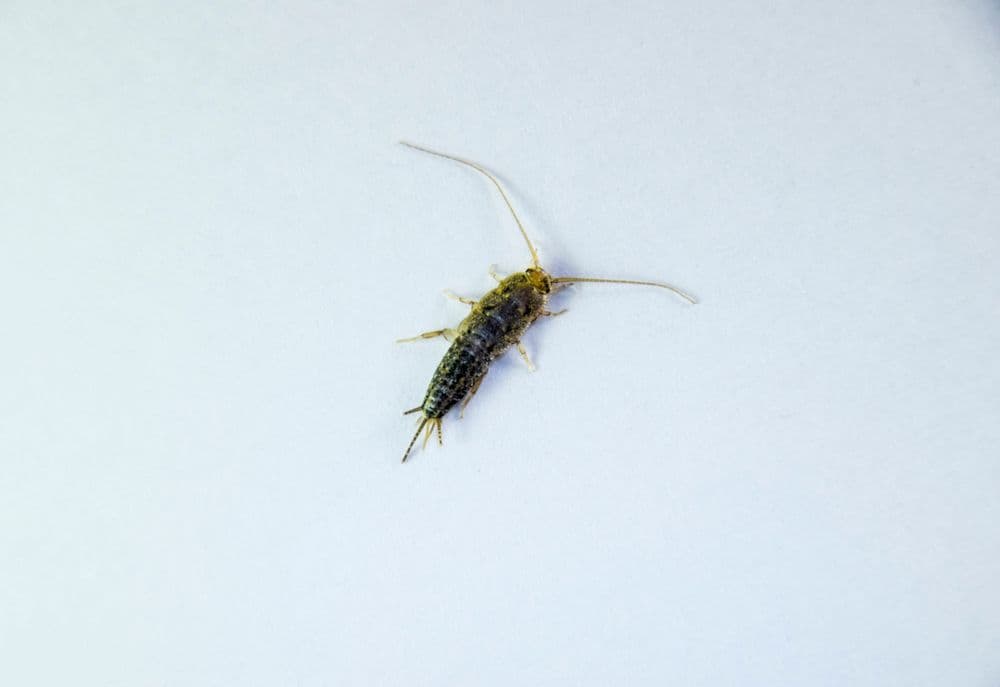
Silverfish have a very distinctive look once you know what to watch for, and visual identification is your first line of defense. Adults are typically 1–2 cm long, with a flattened, teardrop-shaped body that tapers toward the tail, giving them a fish-like silhouette. Their bodies are covered with fine scales that can appear silvery or gray, and they move in a quick, wriggling motion, especially when exposed to light. At the rear, they have three long, tail-like bristles, and at the front, a pair of long antennae, both of which help distinguish them from other small household insects.
Color can vary slightly, but most household silverfish appear silver-gray to bluish-gray, while juveniles are smaller and paler yet share the same body shape. Unlike many household pests, silverfish do not have wings and cannot fly, so any small, wingless insect that darts away in a zigzag run from under a book, box, or bathroom mat is a strong suspect. Because they are nocturnal, you are more likely to see one when you turn on a light at night and they dash for cover along walls, baseboards, or the edges of shelves.
Even if you never spot an adult, silverfish leave behind several clear signs of their presence. Paper, cardboard, and fabrics may show small, irregular, scraped patches where they have fed, often with slightly ragged edges rather than neat holes. Starch-rich items are especially vulnerable, including book bindings, wallpaper, old photographs, envelopes, and stored clothing containing natural fibers. Tiny black or dark specks that look like coarse pepper near those materials can be silverfish droppings, especially when they appear alongside feeding marks.
You may also find delicate, translucent scales or shed skins near their hiding spots, as silverfish molt multiple times throughout life. In damp areas such as under sinks, in basements, or near leaky pipes, the combination of musty paper, faint staining, and nibbling damage is a common indicator. Pay particular attention to places where books meet walls, stacks of cardboard boxes on floors, or storage bins in closets, because silverfish thrive in undisturbed zones and often go unnoticed for months.
Silverfish Habits: Where They Live, What They Eat, and Why They Persist
Understanding silverfish habits makes it much easier to predict where they are hiding and how to disrupt them effectively. Silverfish are strongly nocturnal, avoiding open spaces and bright light, and spending daylight hours inside narrow crevices, behind baseboards, under flooring, and within wall voids. They prefer tight, secure spaces where their flattened bodies can press against surfaces, which is why you may see them dash out from behind trim, from under loose tiles, or between pages of infrequently opened books.
Moisture and temperature are two of the biggest drivers of silverfish activity. They favor humid environments, often thriving where relative humidity is above 50–60 percent, with warmth accelerating their development and reproduction. Bathrooms, laundry rooms, basements, attics with poor ventilation, and kitchens with hidden leaks are prime habitats. In drier rooms, they seek out local microclimates of humidity, such as cardboard on concrete floors, storage boxes under beds, or areas near plumbing penetrations.
Silverfish diets are remarkably broad but revolve around carbohydrates, especially starches and natural glues. Indoors, they feed on book bindings, wallpaper paste, cardboard, paper, photographs, and even the sizing on some textiles. They also graze on crumbs, cereal spills, flour, and pet food if accessible, and can nibble cotton, linen, and some synthetic blends when the fabric has food residues or body oils. Their ability to live off tiny, scattered food sources helps them persist even in seemingly clean homes.
Another habit that makes silverfish stubborn pests is their slow but steady life cycle. They lay small, whitish eggs in hidden cracks, often in batches, and young nymphs resemble miniature adults from the start. Silverfish can live for several years under favorable conditions and continue molting throughout life, which means populations can quietly grow for a long time before damage becomes obvious. They are also good at finding new hiding spots when disturbed, moving through wall voids, floor gaps, and duct chases to colonize different rooms.
Because they are not aggressive and do not bite people, silverfish often get dismissed as a minor nuisance, but their feeding habits can gradually destroy irreplaceable items. Important documents, photos, archival materials, and special-occasion clothing are particularly vulnerable. Recognizing that silverfish are moisture-loving, light-avoiding, starch-feeding survivors is essential to designing targeted fixes that disrupt their shelter, food, and movement rather than just chasing the visible individuals you happen to see.
Practical Fixes: From Quick Wins to Long-Term Prevention
Effective silverfish control focuses on three pillars: reducing moisture, limiting food and shelter, and using targeted treatments where activity is confirmed. Start with moisture control, because a dry environment is hostile to silverfish. Repair any plumbing leaks, improve ventilation in bathrooms and laundry rooms, and run exhaust fans long enough to clear humidity after showers. In basements and other damp areas, use a dehumidifier to keep relative humidity below about 50 percent, and avoid storing paper or fabrics directly on concrete floors, where condensation can form.
Next, cut down on available food and hiding places. Store important papers, photographs, and keepsakes in sealed plastic containers rather than cardboard boxes. Keep pantry staples such as flour, cereal, rice, and pet food in tight-lidded containers, and promptly clean up spills, crumbs, and food residues that can sustain silverfish. Declutter closets, attics, and storage rooms so that boxes do not sit pressed tightly against walls or directly on floors, and leave a small gap for airflow where possible. Regular vacuuming along baseboards, under furniture, and in closets removes crumbs, shed scales, eggs, and hiding debris.
Once the environment is less inviting, focus on targeted treatments in areas with clear signs of silverfish activity. Sticky traps labeled for crawling insects can be placed along walls, under sinks, behind toilets, and near bookshelves to monitor and reduce numbers. Boric acid dust, used carefully in thin layers behind baseboards, under appliances, and in wall voids, can help control silverfish that move through those spaces, but it should be kept away from children and pets. Some desiccant dusts, such as diatomaceous earth labeled for indoor insect control, work by abrading the insect’s outer layer and causing dehydration when applied to cracks and crevices.
For localized infestations inside cabinets, closets, or bookcases, you can remove items, vacuum surfaces thoroughly, and wipe shelves with a mild detergent solution to remove food residues and droppings. Allow everything to dry completely before restocking, and consider using tight-sealing storage for anything made of paper or natural fibers that will remain unused for long periods. Repeating this process periodically in problem areas makes it harder for silverfish populations to rebound.
If you continue to see fresh damage, repeated sightings, or large numbers of silverfish despite these efforts, it may be time to consult a licensed pest management professional. Professionals can inspect hidden spaces, identify structural moisture problems, and apply targeted treatments inside wall voids and inaccessible areas following strict safety guidelines. When you combine professional help with ongoing moisture control and good storage habits, you create a long-term solution rather than a temporary reduction.
Conclusion
Identifying silverfish early, by recognizing their distinctive shape and subtle signs of feeding, lets you act before damage builds up. Their habits revolve around moisture, darkness, and access to starchy materials, so the most effective fixes remove humidity, clutter, and unprotected paper or fabric. Use traps and crack treatments only where activity is confirmed, and back them up with better storage and regular cleaning in vulnerable areas. With a focused approach, you can stop silverfish from quietly destroying books, clothes, and documents and keep your home far less welcoming to them over time.
 X
X Facebook
 Telegram
 Instagram
 WhatsApp