
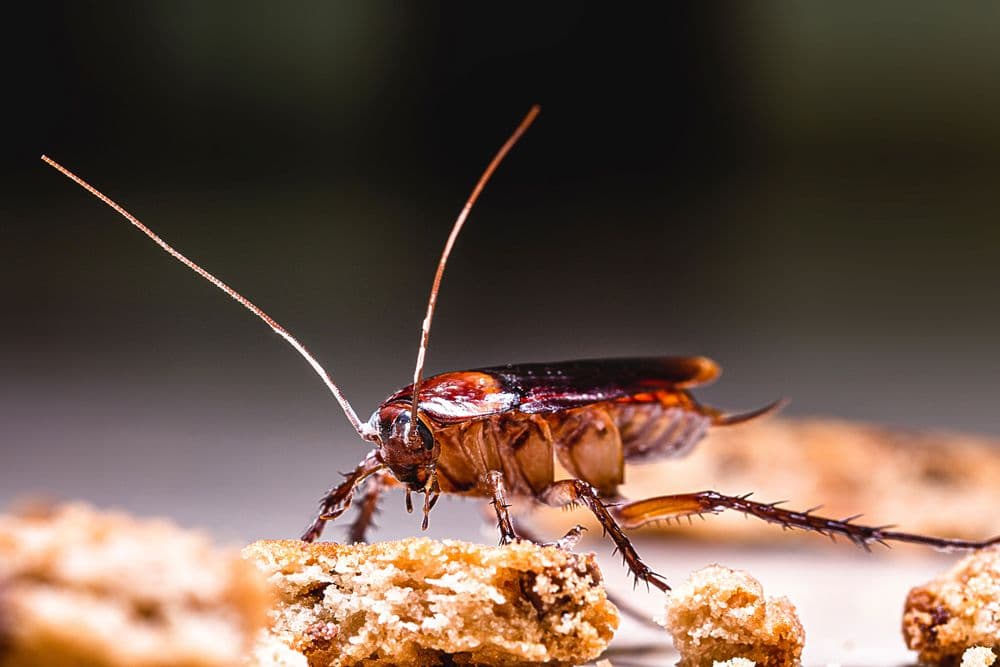
Roach identification: types, signs, and prevention
Cockroaches are more than a nuisance; they are hardy, fast‑breeding pests that spread allergens and bacteria. Accurate roach identification helps you respond quickly, choose the right control methods, and prevent small problems from becoming costly infestations. By learning which species you are seeing, what warning signs to watch for, and which habits invite them indoors, you can build a simple, effective defense against roaches in homes or small businesses.
Main Roach Types You Are Likely to See
Most indoor roach problems in homes and apartments come from a few species that have adapted well to human spaces. Knowing their size, color, and behavior makes it easier to target where they hide and how they move through a building. Focus on body length, markings, whether you see them in kitchens or basements, and whether they appear mostly at night or even in daylight.
German cockroaches are the most common indoor species and a major cause of persistent infestations in kitchens and bathrooms. Adults are light brown to tan, about 1.3–1.6 cm long (roughly 1/2–5/8 inch), with two dark parallel stripes running from the head down the shield behind it. They prefer warm, humid areas close to food and water such as under sinks, behind stoves, and inside cabinet hinges. If you see small roaches scurrying when you switch on the kitchen light at night, they are very likely German cockroaches.
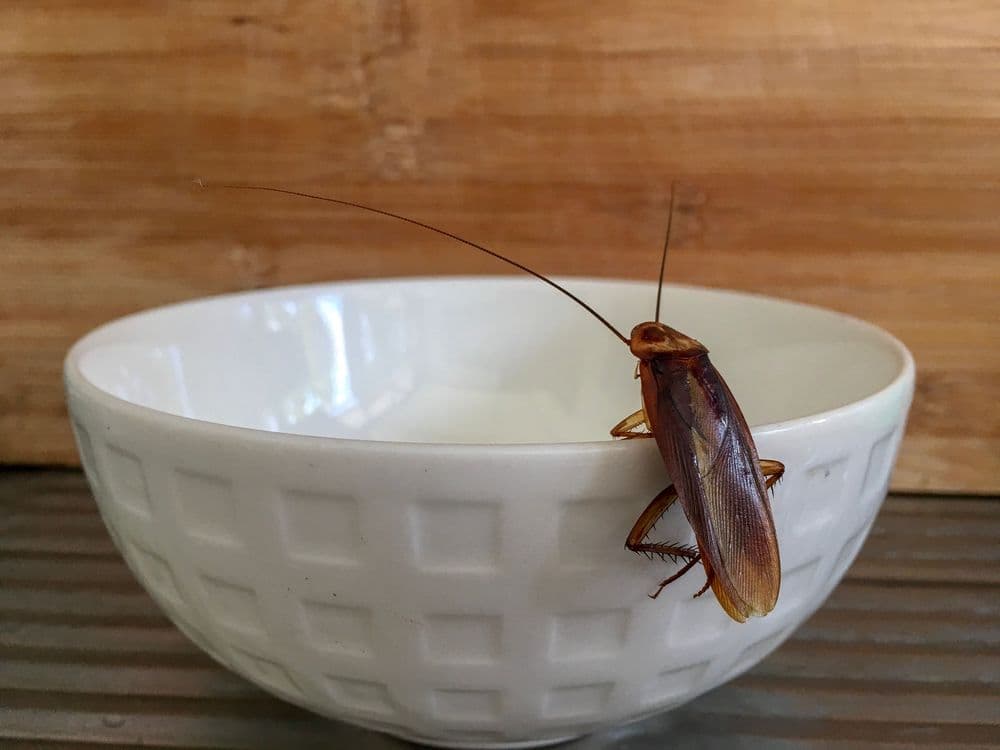
American cockroaches are significantly larger and usually linked to basements, sewers, and commercial buildings. Adults reach 3.5–5 cm (1.4–2 inches) in length and have a reddish‑brown body with a yellowish figure‑8 pattern on the shield behind the head. They can glide short distances with their wings and tend to favor damp, darker areas like utility rooms, floor drains, and steam tunnels. When these roaches appear in upper floors or kitchens, they often have traveled through plumbing or wall voids from a lower level or nearby structure.
Oriental cockroaches are often called “water bugs” and are associated with cool, damp places. Adults are about 2.5 cm (1 inch) long and dark brown to nearly black, with a shiny, almost oily appearance. Males have short wings that do not fully cover the abdomen and females have very small wing pads, so neither sex flies. You are more likely to find them in basements, crawl spaces, under porches, or around leaky foundations and outdoor debris, especially where moisture persists.
Brown-banded cockroaches are smaller and more scattered throughout living spaces than German roaches. Adults are about 1.2 cm (1/2 inch) long and light brown with two pale bands across their wings and abdomen. Unlike moisture-loving species, brown-banded roaches prefer drier, warmer locations such as bedrooms, living rooms, electronics, wall clocks, and inside furniture. Finding roaches in upper cabinets, behind picture frames, or near ceiling fixtures may indicate brown-banded cockroaches rather than a kitchen-centered species.
Key Signs You Have Roaches
Early roach identification is often based less on live insects and more on the subtle traces they leave behind. Roaches are nocturnal and secretive, so you may never see them in the open until an infestation is advanced. Instead, focus on small droppings, egg cases, smells, and changes in pet behavior to detect their presence before numbers surge.
Roach droppings are one of the most consistent and useful signs. Small species like German and brown-banded cockroaches leave tiny, dark specks or smears that resemble ground pepper or coffee grounds along edges, in cabinet corners, or under appliances. Larger species such as American and Oriental roaches produce cylindrical droppings with blunt or ridged ends, more like small mouse pellets. Concentrated droppings along baseboards, near water pipes, or in pantry corners suggest regular traffic routes and hiding sites.
Egg cases, called oothecae, indicate active or recent breeding. German cockroach oothecae are light brown, about 6–9 mm long, and slightly curved, often carried by the female until soon before hatching and then dropped in hidden cracks. American and Oriental roach oothecae are darker, roughly the size of a small bean, and may be glued to surfaces in protected areas. Finding multiple egg cases behind appliances, inside cabinet hinges, or under sinks points to an established infestation even if adult roaches are rarely seen.
A musty, oily odor is another clue, especially in more advanced infestations. Heavy roach populations release aggregation pheromones and body odors that build into a distinct, unpleasant smell in confined spaces such as pantries, under-sink cabinets, and cluttered closets. Sensitive individuals or pets may react to roach allergens, showing increased sneezing, coughing, or skin irritation, particularly at night or in rooms where droppings and shed skins accumulate.
Seeing live roaches during daylight, especially small nymphs, is often a sign that hiding places are overcrowded. Roaches forced into the open in the daytime usually indicate a high population density. You may also notice smear marks on vertical surfaces where moisture is present, shed skins from growing nymphs, and damage to food packaging, book bindings, or cardboard. Any combination of droppings, egg cases, odor, and live sightings should prompt prompt action, with species identification guiding where and how to intervene.
Practical Roach Prevention and Control
Effective roach prevention combines exclusion, sanitation, and targeted treatment based on the species you are dealing with. Instead of relying only on sprays after you see insects, focus on making your home less attractive and less accessible to roaches. These habits interrupt their three main needs: food, water, and shelter.
Start with food and water management, as these resources drive most indoor infestations. Clean up crumbs, grease, and food residues promptly, including under stove burners and behind appliances where spills often go unnoticed. Store dry foods, pet food, and snacks in tightly sealed containers rather than open bags or thin cardboard boxes roaches can easily chew. Fix dripping faucets, sweating pipes, and overflows, and avoid leaving dirty dishes or pet bowls full of food or water out overnight, when roach activity peaks.
Next, reduce clutter and hiding spots that allow roaches to feed and breed undisturbed. Cardboard, paper bags, and stacked magazines or boxes create ideal harborage, especially in warm, dark areas like closets and storage rooms. Replace cardboard with plastic bins where possible and keep items slightly off the floor and away from walls to reduce tight crevices. Vacuum and wipe baseboard edges, drawer tracks, and cabinet corners regularly to remove droppings, egg cases, and food particles that reinforce roach trails.
Physical exclusion is especially helpful for larger species such as American and Oriental cockroaches that enter from outdoors or basements. Seal gaps around pipes, cables, and vents with appropriate sealants, and repair damaged door sweeps, window screens, and weatherstripping. Install fine mesh over floor drains where feasible and ensure that outdoor trash cans have tight-fitting lids and are stored away from doors. Address outdoor moisture problems—such as clogged gutters, standing water, and dense ground cover near foundations—to discourage roaches from nesting close to the building and migrating inside.
When infestations are already present, targeted control should match the species and the pattern of activity. Gel baits placed in cracks, crevices, and near runways are effective for German and brown-banded cockroaches that feed in hidden spots, and they work best when competing food sources are minimized. For American and Oriental roaches, perimeter treatments, improvement of floor drain and sewer hygiene, and sealing wall and floor gaps are often more effective than scatter sprays. Sticky traps positioned along walls, behind appliances, and near suspected entry points help monitor population levels, confirm species, and measure whether your control efforts are working, and professional pest management is advisable for large or recurring infestations, especially in multi-unit buildings where roaches move easily between units.
Conclusion
Roach identification, from recognizing major species to spotting their droppings and egg cases, is the foundation of effective control. Once you know which roaches you are facing and where they hide, you can tailor sanitation, exclusion, and targeted treatments to disrupt their life cycle. Small, consistent steps—sealing gaps, controlling food and moisture, and monitoring with traps—are more powerful than occasional heavy spraying. By combining early detection with smart prevention, you can keep cockroaches from gaining a foothold in your home or business.
 X
X Facebook
 Telegram
 Instagram
 WhatsApp