
Bug bite identification: common bites and symptoms
Bug bites are common, confusing, and often itchy enough to keep you up at night. Knowing how to identify different bug bites by their appearance and symptoms helps you decide whether you can treat them at home, watch for warning signs, or seek urgent medical care. This guide focuses on the most common bites and what they typically look and feel like on your skin.
How to Approach Bug Bite Identification
Bug bite identification is rarely exact, but certain patterns are strong clues. The first things to note are where the bite is on your body, how many bites you see, how they are arranged, and how quickly symptoms appeared. These simple details often narrow the list from “anything” to a small set of likely culprits.
Location matters because many insects prefer specific areas of the body. Bed bugs usually feed on exposed skin like arms, legs, neck, and face, while fleas favor ankles and lower legs. Ticks seek warm, hidden folds such as the groin, armpits, and hairline, where they can stay attached and feed for hours or days. Mosquitoes tend to bite any exposed surface, especially where clothing fits loosely.
The pattern of bites gives another important clue. Lines or clusters often point to bed bugs or fleas, while single, isolated lesions are more typical of mosquitoes, ticks, and stinging insects. The center of the bite can help too: some bites have a puncture point, tiny blister, or central clearing that stands out against the red area around it.
Symptoms over time are just as important as the first look. Mild itching and redness usually fade within a few days. Spreading redness, fever, or intense pain can signal infection, allergic reaction, or a tick-borne disease. When in doubt, taking clear photos and noting when the bite appeared gives your health provider valuable information for a safer, quicker diagnosis.
Common Bites That Mainly Itch
Mosquito bites
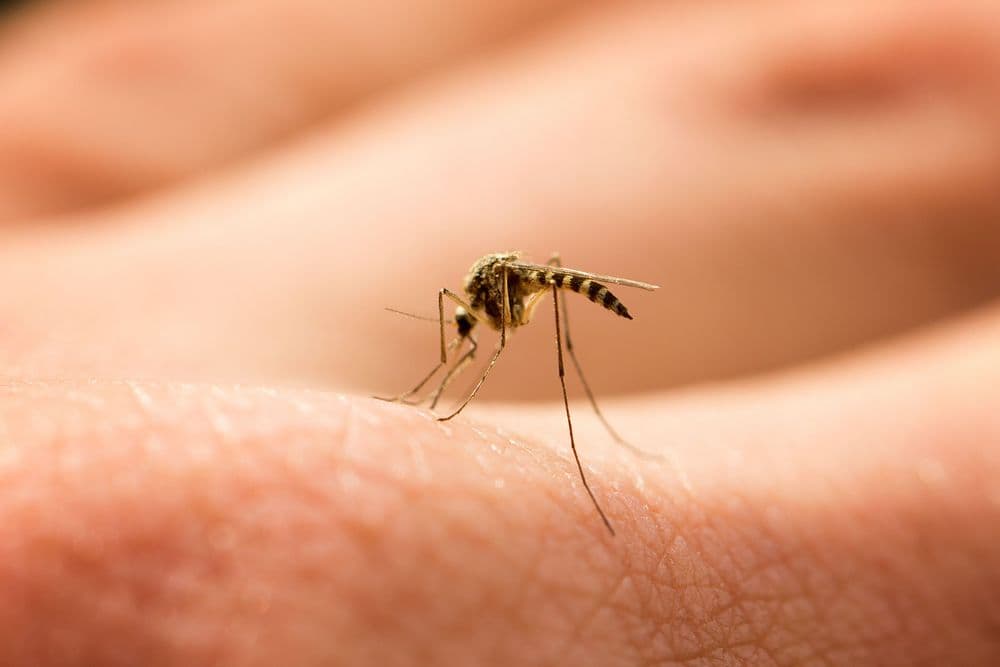
Mosquito bites are among the easiest to recognize, especially in warm weather or near standing water. A typical mosquito bite appears as a soft, puffy, round bump that turns pink or red within minutes to hours. It is usually very itchy, especially in children, and the strongest itching tends to occur in the first 24 hours before slowly fading over two to three days.
These bites are often scattered on exposed skin such as arms, legs, and ankles and may appear after sunset when many mosquito species are most active. You may see several individual bumps with no specific pattern if multiple mosquitoes fed at once. The center can have a tiny puncture, but it is often hard to see unless you look closely.
Most mosquito bites remain small, but some people develop larger, swollen reactions that can be several centimeters across. This thick, hot redness may look alarming but often reflects a strong local allergy rather than infection. Marking the edges of the redness with a pen helps you see whether it is expanding rapidly, which would be more worrisome. Any mosquito bite accompanied by fever, severe headache, or body aches after travel or during known outbreaks deserves prompt medical evaluation.
Flea bites
Flea bites are common in homes with pets, in infested carpets, and in outdoor areas where wildlife rests. They usually appear as small, firm red bumps with an intense itch that often feels worse than they look. The surrounding skin can look slightly red, and scratching easily breaks the surface, leading to tiny scabs or bleeding points.
A key clue for flea bite identification is location. Bites typically cluster around the feet, ankles, and lower legs because fleas jump from the ground or flooring. They may appear in groups of three or more, but unlike bed bugs, they often lack a strict linear pattern. If only one person in a household is being bitten, but the bites are mostly below the knees, fleas should be high on the list of suspects.
On sensitive skin, flea bites can develop small blisters, especially in children. Excessive scratching may introduce bacteria, resulting in crusts, oozing, or spreading redness and warmth that signal infection. Because fleas commonly live on animals, seeing similar itchy spots on pets or noticing them scratching more than usual is another strong hint pointing toward a flea problem.
Clustered Bites Around Sleep Areas
Bed bug bites
Bed bug bites can be frustrating to identify because they mimic many other skin conditions. Classic bed bug bites are small, raised, red bumps that may become slightly swollen or form a tiny blister on top. The itch tends to be moderate to intense and often worsens at night or first thing in the morning when you notice new marks.
The pattern of bed bug bites is one of the best identification clues. Bites often appear in lines or tight clusters, sometimes described as “breakfast, lunch, and dinner,” with three or more bites in a row. They occur on exposed skin that touches mattresses, sheets, or furniture, such as arms, shoulders, neck, face, upper back, and legs. Covered areas like the waistband under tight clothing are less often affected.
Not everyone reacts visibly to bed bug bites, so some household members may have obvious welts while others show nothing despite being bitten. Over days, the bites can darken or remain as small red marks that seem to come and go without an obvious cause. If you routinely wake with new clusters of itchy bumps and notice tiny dark spots or blood specks on sheets or mattress seams, bed bugs are likely and a professional inspection is usually necessary.
Mite bites (including chiggers)
Mite bites are small but surprisingly irritating. Chiggers, a common type of mite in grassy or wooded areas, leave very itchy red bumps that may have a bright red center or tiny blister. These appear a few hours after exposure, often where clothing fits tightly, such as around sock lines, waistbands, and behind the knees.
Unlike bed bug bites, mite bites often appear after outdoor activities like hiking, gardening, or sitting on the ground. The itch can be intense and last for a week or more, even though the bumps themselves stay small. Scratching can lead to scabs and, occasionally, secondary infection, especially if the area is not kept clean.
Other mites, including those from birds or rodents, can cause scattered, itchy bites on the trunk, arms, and neck. Because mites are tiny and hard to see, diagnosis relies heavily on the pattern, timing, and location of the bites. When multiple people in a space suddenly develop new, intensely itchy papules, especially after contact with infested bedding or animals, mites should be considered and the environment inspected.
Bites and Stings That May Need Faster Attention
Tick bites
Tick bites are unique because the tick often remains attached for many hours. If you find a tick anchored to your skin, that is the clearest form of identification. After removal, a small red spot or mild swelling usually remains at the site and may itch or feel slightly sore. A minor local reaction that stays the same size for a few days is common and not necessarily dangerous.
The more serious concern is a spreading rash or systemic symptoms that appear days to weeks after the bite. In Lyme disease, a subset of people develop a slowly enlarging “bull’s-eye” rash called erythema migrans, with a central clearing and a red outer ring that can reach several inches across. Not all tick-borne illnesses cause this pattern, and not everyone gets a visible rash, so absence of the bull’s-eye does not rule out disease.
Tick bite identification should always include a time estimate of how long the tick was attached, as infection risk increases with duration. Any tick bite followed by fever, fatigue, headache, joint pain, or a new rash spreading beyond the bite area requires timely medical evaluation. Saving the removed tick in a sealed container or a clear photo can help healthcare providers assess risk and plan testing if needed.
Bee, wasp, and hornet stings
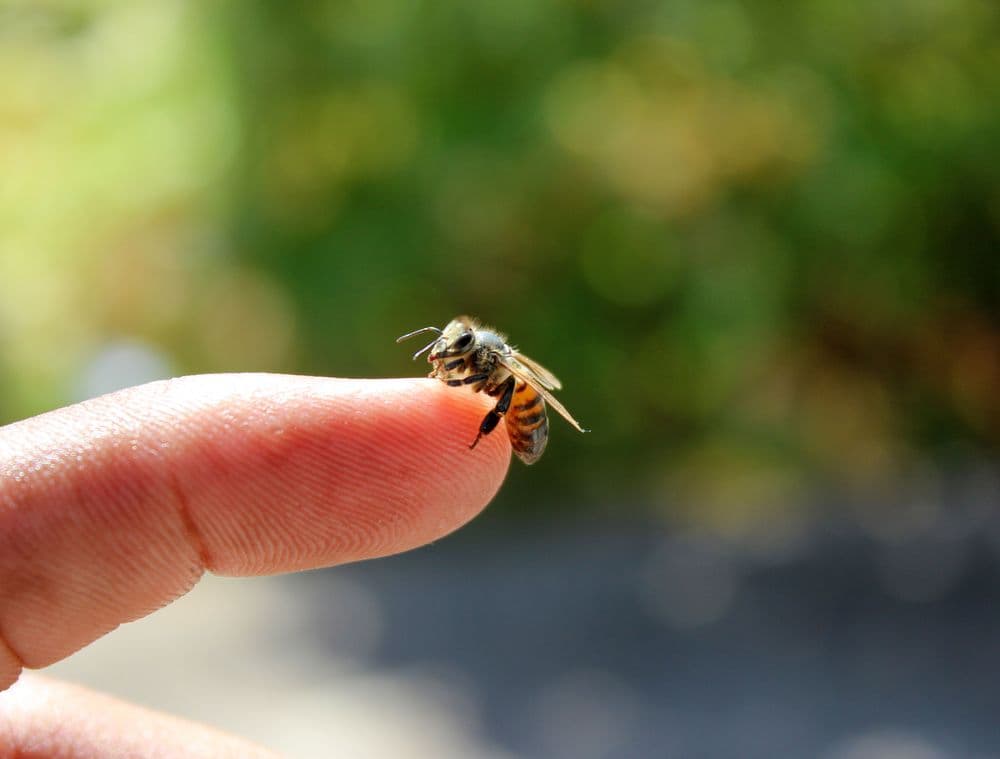
Stings from bees, wasps, and hornets are less like classic “bug bites” but are important to recognize due to allergy risks. A typical sting site shows a sharp, immediate burning pain followed by a raised, firm, red swelling that can be quite large. The center may show a tiny puncture, and honeybees often leave a stinger in the skin, which should be gently scraped off rather than pinched.
Most stings produce a local reaction that peaks within 24–48 hours, with redness and warmth that may spread several centimeters from the site. On arms and legs, these “large local reactions” can look dramatic but still represent an exaggerated local immune response rather than a systemic emergency. Elevation, cold packs, and oral antihistamines usually help ease the discomfort.
Alarming symptoms go beyond the sting area. Hives over large body areas, swelling of lips, tongue, or eyelids, difficulty breathing, chest tightness, or feeling faint are signs of anaphylaxis and need immediate emergency care. When trying to identify whether a painful red swelling is from a sting or an infection, the very sudden onset after an outdoor encounter and a visible puncture point are strong clues toward a sting.
Spider bites
True spider bites are less common than many people think, but certain patterns can help you distinguish them. Typical harmless spider bites cause a single red, swollen, tender bump, often with two tiny puncture marks at the center that may be hard to see. They may itch or ache mildly and usually improve within a few days without significant spreading.
More concerning spider bites, such as those from certain venomous species, may start as a painful red area that develops a pale center or blister. Over hours to days, this center can darken, forming a crust or ulcer while the surrounding skin remains red and inflamed. Severe pain out of proportion to the size of the lesion, or rapid tissue breakdown, are reasons to seek medical evaluation.
Because many skin infections are mistaken for spider bites, identification should consider timing and context. A presumed “spider bite” that appeared without any known spider exposure, is extremely tender, warm, and rapidly enlarging is often a bacterial infection instead. When in doubt, or if fever and spreading redness occur, medical assessment is safer than assuming a spider was responsible.
Conclusion
Accurate bug bite identification depends on combining how a bite looks, where it appears on the body, and how symptoms change over time. Recognizing typical patterns for mosquitoes, fleas, bed bugs, mites, ticks, stings, and spiders helps you decide when home care is enough and when to seek medical help. Photographing bites early and noting when and where they occurred can be invaluable for a professional diagnosis. When bites cause severe pain, trouble breathing, fever, or rapidly spreading redness, prompt medical attention is more important than pinpointing the exact bug.
 X
X Facebook
 Telegram
 Instagram
 WhatsApp