
What bug is this? Quick insect identification guide
Most people only notice insects when one suddenly appears on a wall, window, or plant. In that moment, one question takes over: “What bug is this, and should I worry?” A fast, reliable answer does not require a biology degree. With a few focused observations and comparisons, you can narrow down most everyday encounters to a small set of likely insects. This guide walks you through what to look at first—shape, wings, color, behavior, and location—so you can quickly move from mystery bug to an informed identification and response.
How to observe a mystery insect without touching it
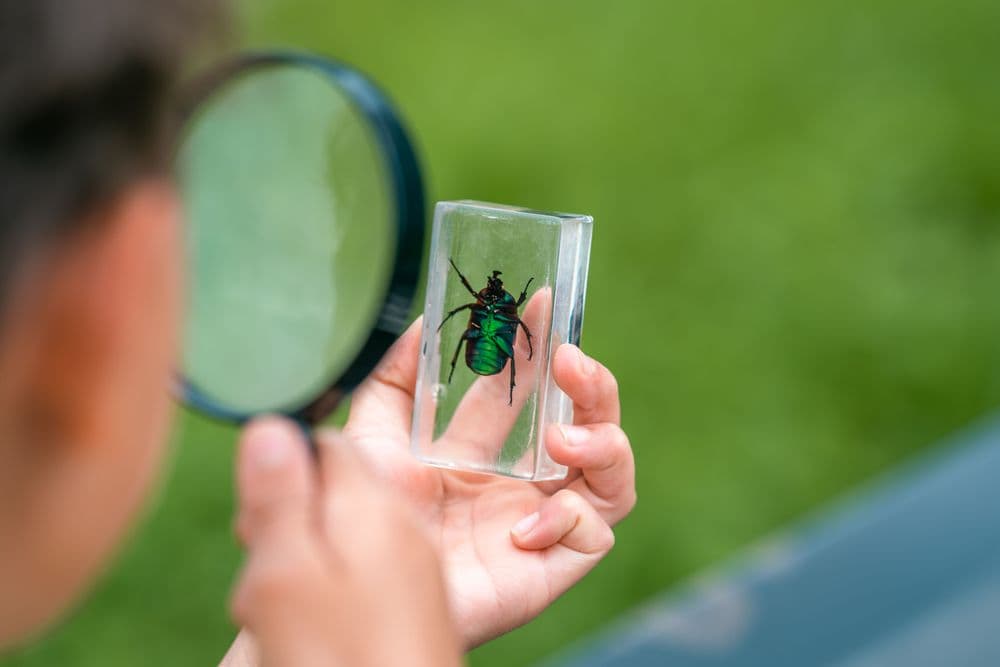
The first step in any quick insect identification is to pause and look closely before you swat or scoop. Most insects can be recognized by a handful of visible features that you can note from a safe distance. If you can, take a clear photo using your phone and zoom in later, because details that seem minor at first glance often make the difference between a harmless beetle and a wood-damaging pest. Calm observation also reduces the risk of being stung or accidentally crushing the specimen you are trying to identify.
Start with the overall body shape and segments, asking whether the insect is narrow and wasp-like, round and beetle-like, or flattened like a shield. Count the visible wings if possible, since some insects have two wings while others have four, and some have hardened front wings that look like shells rather than delicate membranes. Look carefully at the antennae and legs, noticing whether they are short and stubby or long and threadlike, and whether the legs are built for jumping, clinging, or digging. Finally, note color patterns such as stripes, spots, or a shiny metallic sheen, because these cues are often shared by closely related groups.
Distance and lighting matter when observing key identification details, so try to position yourself so that light falls from the side rather than from behind the insect, which prevents it from appearing as a dark silhouette. Move slowly to avoid startling the insect and changing its natural posture or behavior, both of which can be important clues. If you are indoors, gently placing a clear glass or jar over the insect can help you examine it without harm, but avoid this approach for stinging or fast-flying species. A few seconds of careful, structured observation give you more than enough information to begin using the comparison tips in later sections of this guide.
Simple visual checks: wings, body shape, and antennae
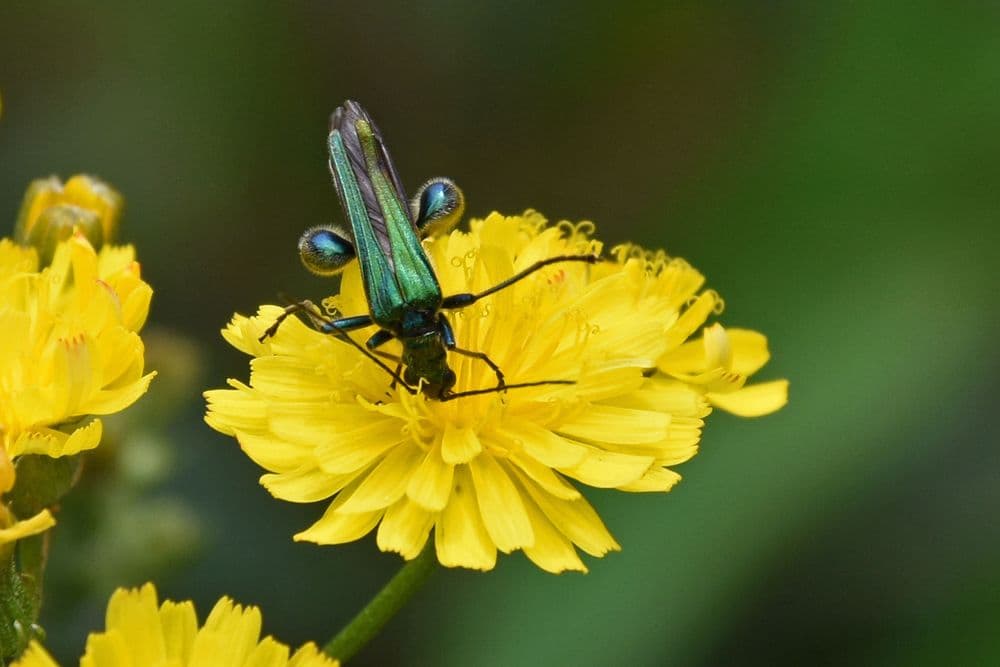
Most quick identifications start with the wings because they are large, obvious, and diagnostic. True flies have just two wings, so if the insect has a single pair of wings and large, often prominent eyes, you are probably dealing with some kind of fly rather than a bee or wasp. Bees, wasps, butterflies, moths, and many garden pests have four wings, with the front pair usually larger and more visible at rest. Beetles, in contrast, have hardened front wings that form a shell-like cover, which meets in a line down the center of the back and opens like doors when the insect flies.
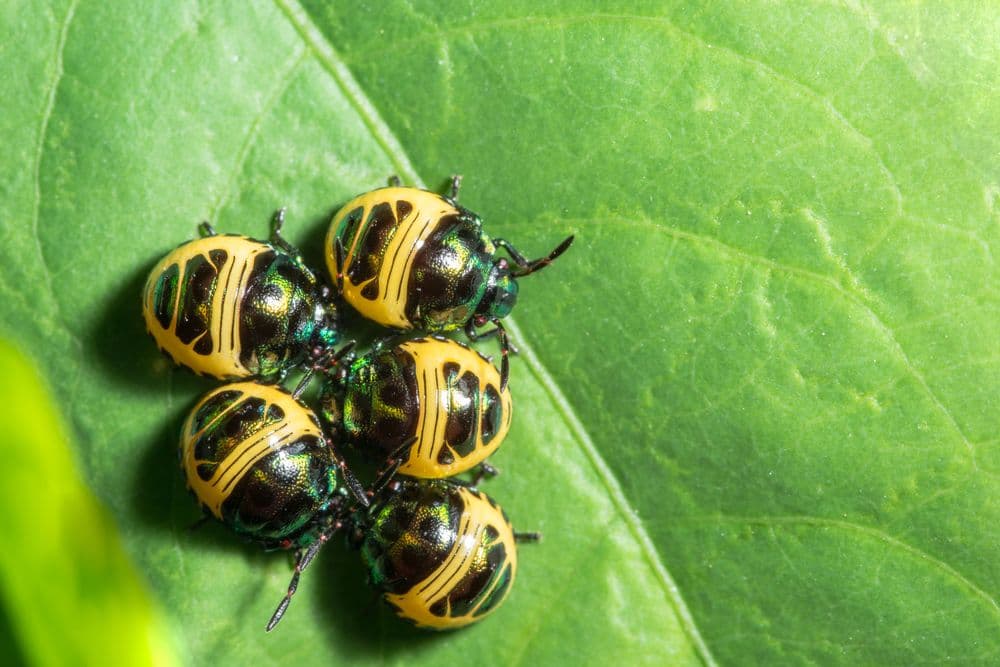
Body shape is the next fast filter for asking “what bug is this” in your home or yard. Wasps tend to have a narrow “waist” between the thorax and abdomen, giving them a distinct hourglass shape, while bees look more compact and rounded, often with obvious hair used for gathering pollen. Beetles are generally more rigid, with a hard, often shiny exterior and a more uniform shape, whereas true bugs such as stink bugs tend to be flatter and sometimes shield-shaped. Slender insects with long hind legs and sometimes folded wings, such as crickets or grasshoppers, are adapted for jumping and are easy to distinguish once you focus on leg shape.
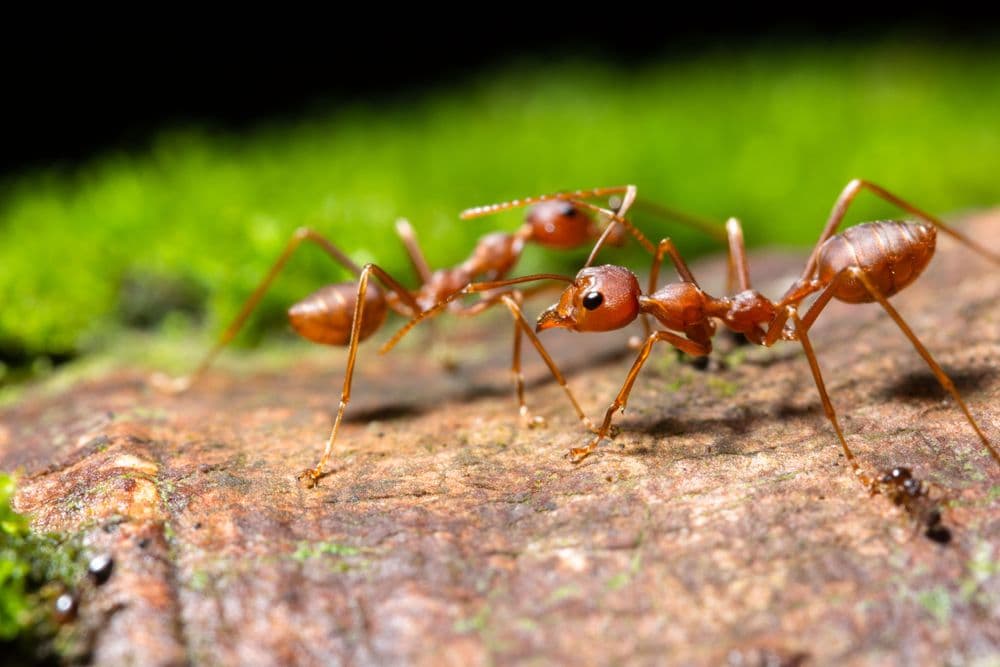
Antennae are also powerful identification tools, even though they are often overlooked at first glance. Short, clubbed antennae are common in many beetles, especially tiny pantry pests, while threadlike or feathery antennae often indicate moths. Long, elbowed antennae are a hallmark of ants, which can resemble wingless wasps but differ noticeably in the shape of their antennae and the segmentation of their bodies. Paying attention to whether antennae are straight, bent, or shaped like tiny beads gives you extra confirmation when wing or body clues are ambiguous.
Behavior and location: where and how you found the bug
Context often narrows identification faster than any single body detail, especially for everyday household discoveries. When you ask “what bug is this,” immediately follow with “where did I find it” and “what was it doing,” because food sources and shelter preferences are highly specific. A bug found in the kitchen near grains or flour is more likely to be a pantry beetle or moth, while insects clustering around lamps at night are probably moths, small beetles, or midges that are attracted to light. In the bathroom, moisture-loving species such as silverfish or drain flies are common, often hiding in cracks or near drains.
Outdoors, your location within the yard is just as informative for quick insect identification as the insect’s shape. Insects clustered on plant stems or the undersides of leaves are often sap-feeding pests such as aphids, leafhoppers, or scale insects, especially if the plant shows yellowing or curling leaves. On bare soil or under rocks you might find ground beetles or rove beetles, which are usually beneficial predators rather than pests. Insects found burrowing into wood, such as powdery sawdust near baseboards or deck boards, can indicate wood-boring beetles or termites and should trigger closer examination or professional help.
Behavior over a few seconds provides additional solid clues, so observe whether the insect flies in straight lines, hovers in place, jumps, or crawls steadily. Hovering over flowers with a bee-like appearance often indicates a hoverfly rather than a true bee, especially if the insect has only two wings and large eyes. Ants form lines and trails, often carrying food, while solitary, erratic wanderers on walls or ceilings could be stink bugs, beetles, or occasional invaders like earwigs. Combining location and behavior with basic anatomy turns a vague “some bug in the house” into a strong candidate list that you can cross-check with photos online or in field guides.
Quick IDs for common “what bug is this” moments
House guests: indoor insects you are likely to see
Indoors, a few types of insects account for most “what bug is this” searches, and recognizing their signatures saves time and worry. Small brown beetles near dry food such as rice, flour, or pet kibble are often pantry beetles or weevils, which are more of a food contamination issue than a health threat. Tiny, mottled moths that flutter out of cupboards when you open them are usually pantry moths whose larvae eat grains and nuts, and you may notice fine webbing or clumped food where they have fed. Eliminating infested food and storing new items in airtight containers usually solves these problems without insecticides.
In bathrooms and damp corners, slender, silvery insects that move in quick, fish-like darts are silverfish, which feed on paper, glue, and fabrics rather than people. Small, fuzzy, moth-like flies hovering near sinks or drains are drain flies, which breed in the organic film inside pipes and respond best to thorough cleaning rather than spraying. On walls and windows, shield-shaped, brownish insects about the size of a fingernail are often stink bugs looking for overwintering shelter, and while they can smell unpleasant when crushed, they rarely cause structural damage indoors. Recognizing these common indoor visitors helps you choose practical responses such as cleaning, sealing gaps, or discarding contaminated food instead of reaching for broad chemical treatments.
Garden and yard: frequent outdoor suspects
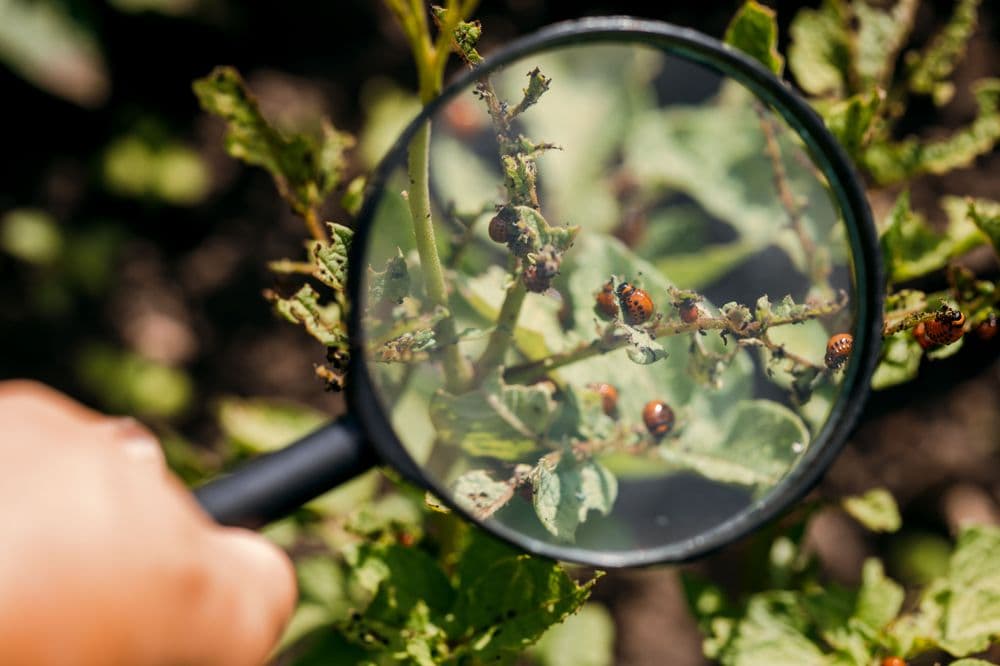
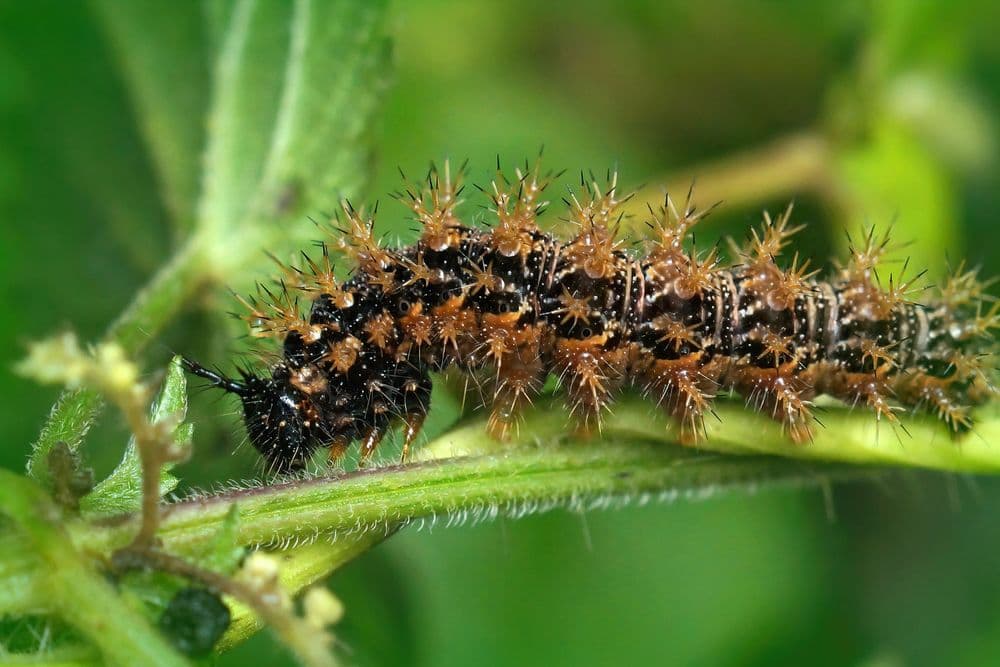
In the garden, quick insect identification can tell you whether to protect, ignore, or manage the bug you found on your plants. Soft-bodied clusters of tiny green, black, or white insects on new growth are typically aphids, especially if you also notice sticky “honeydew” sap or sooty mold on leaves. Small, shiny beetles chewing round holes in leaves may be flea beetles or leaf beetles, whereas slow-moving, dome-shaped beetles with bright red or orange wing covers marked with black spots are lady beetles, which are beneficial predators of plant pests. Caterpillars with chewing mouthparts and visible heads are larvae of moths or butterflies, and damage severity rather than their mere presence should guide your response.
On lawns and shrubs, shield-shaped insects with piercing-sucking mouthparts may be stink bugs or related true bugs, which can damage fruits and vegetables by feeding on their juices. Slender, waist-narrowed insects visiting flowers may be wasps, but many are actually harmless hoverflies that mimic wasps and bees; check wing number and hovering behavior to separate them quickly. On tree trunks and wood, small holes with fine sawdust accumulating below can indicate bark beetles or wood borers, while ants moving in and out of cracks may be exploiting existing damage rather than causing it. By matching common patterns of damage, shape, and behavior, you can distinguish between pests, neutral visitors, and helpful predators that keep your garden ecosystem balanced.
Using photos, apps, and experts for final confirmation
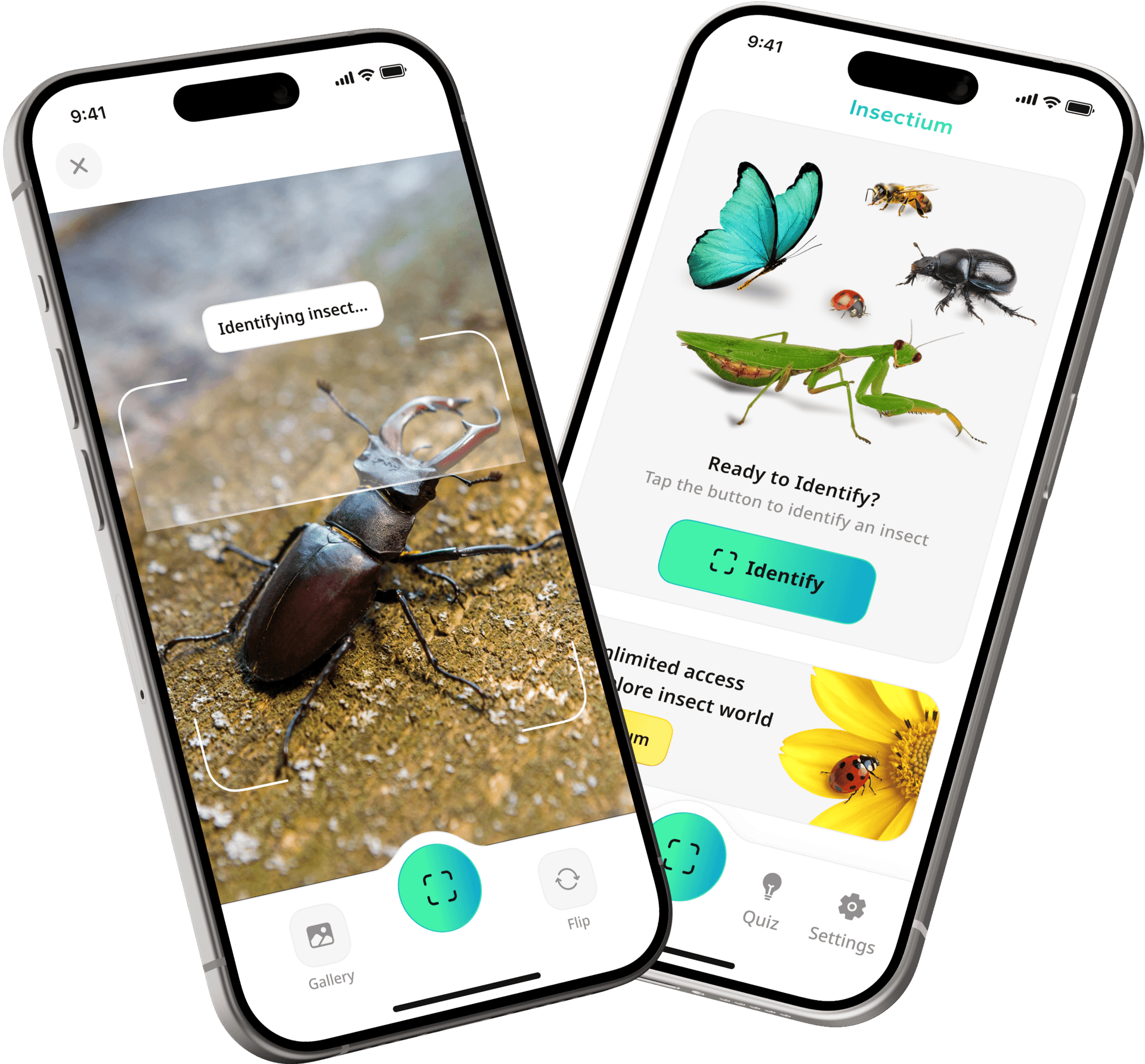
Even with good observations, some insects will remain ambiguous, and modern tools can help you move from “probably this” to a confident ID. Clear photos from multiple angles, especially top and side views that show wings and antennae, are the most valuable asset when using identification apps or online resources. Many apps use image recognition to suggest a short list of species, which you can refine by comparing your notes on location, behavior, and size with the options provided. Always treat automated suggestions as starting points rather than final answers, especially for medically important or potentially harmful species.
Online communities and local experts are powerful allies when you cannot resolve “what bug is this” on your own. Posting your best photos along with information about where you live, where you found the insect, and what it was doing will usually prompt fast, informed replies from enthusiasts and professionals. Local extension services, natural history museums, and university entomology departments often offer identification help, particularly for suspected pests or invasive species. When dealing with possible stinging insects, wood-damaging species, or bites and rashes, professional pest control or medical advice is appropriate, and a solid preliminary ID can make their work faster and more accurate.
Conclusion
Quick insect identification starts with calm observation of shape, wings, antennae, behavior, and location, followed by comparison with common indoor and garden suspects. Photos and simple notes about where and how you found the bug dramatically improve the accuracy of both apps and human experts. Use this guide to decide when a bug is harmless, helpful, or a potential pest, and then choose the least disruptive response that solves the problem. With practice, “what bug is this” becomes less a panic and more a brief puzzle you are equipped to solve.
 X
X Facebook
 Telegram
 Instagram
 WhatsApp