
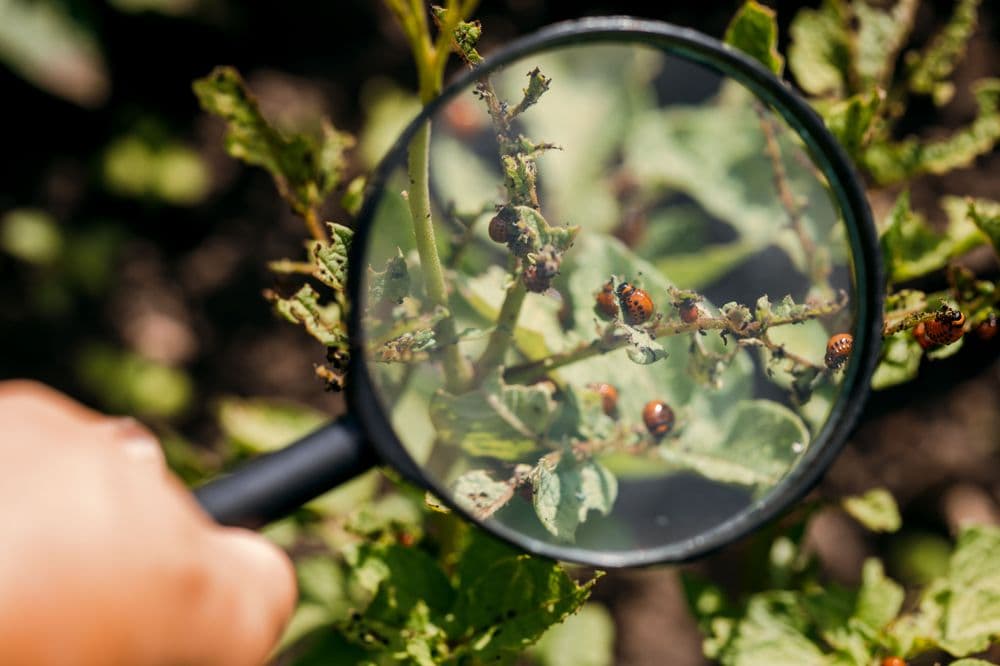
Insect recognition tips: color, shape, and behavior
Being able to recognize insects by eye is mostly about noticing patterns, not memorizing species lists. Color, shape, and behavior work together like a three-part code. When you train yourself to read that code, mystery “bugs” start to sort into clear, familiar groups. The goal is not instant species-level ID, but a fast, reliable way to say what kind of insect you are looking at and how it lives.
Using Color Without Being Fooled
Color is the first thing most people notice on an insect, and it can provide strong recognition clues. Bright stripes, metallic sheens, or dead-leaf browns often point to specific lifestyles or families. Yet color can also mislead, because many insects copy the colors of others or change shade as they age. The trick is to treat color as a starting hint and always cross-check it with shape and behavior.
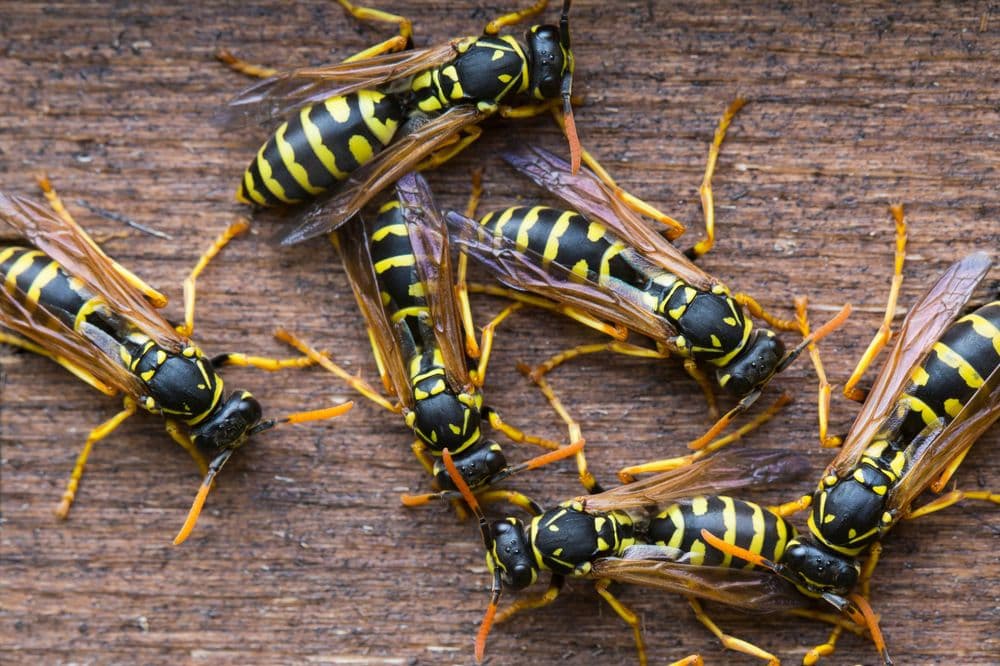
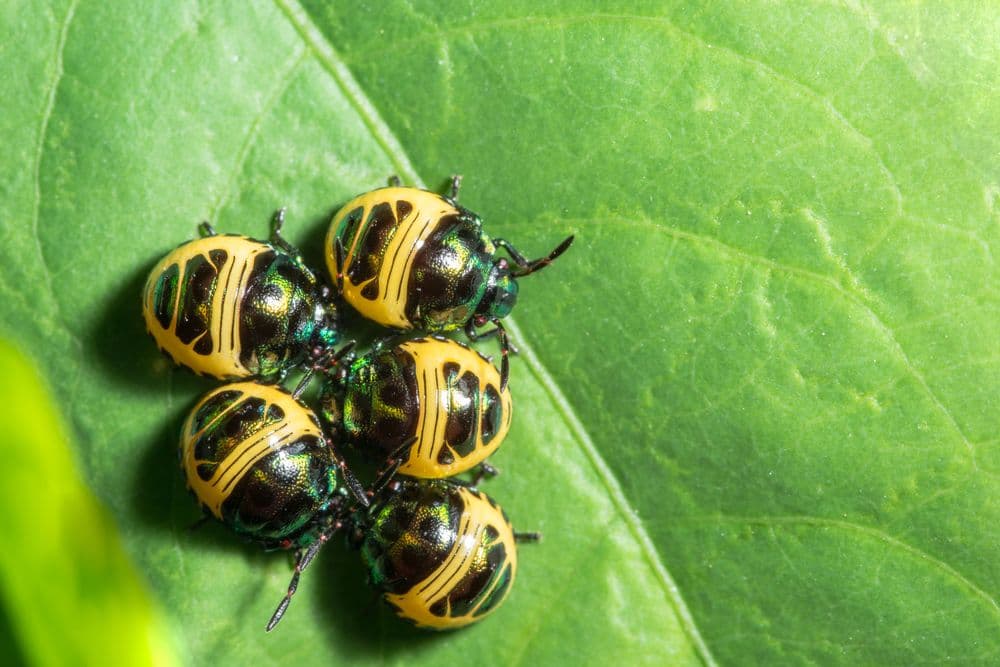
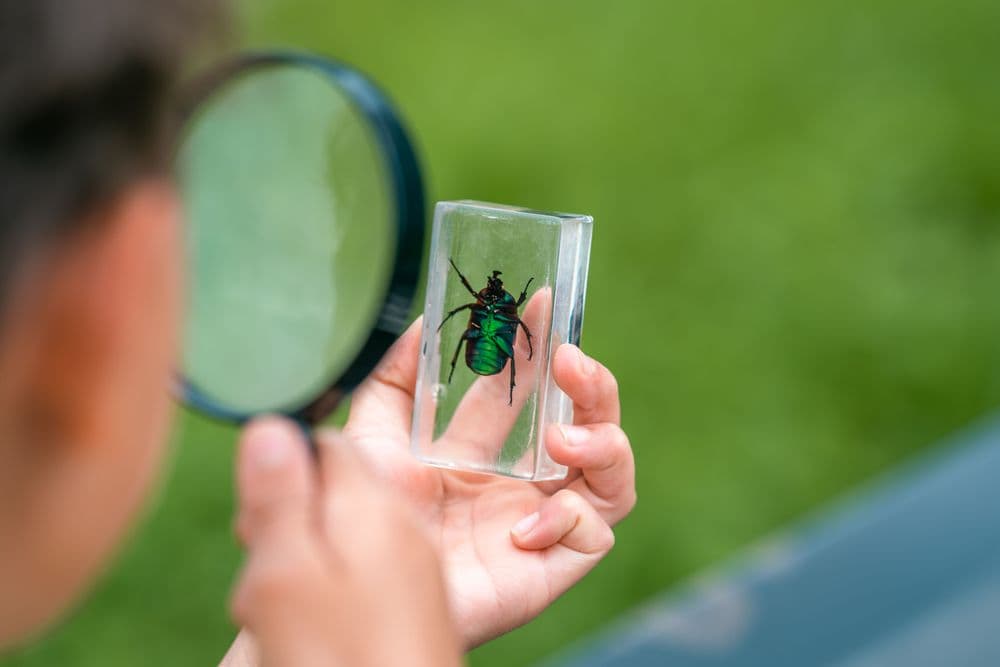
Pay attention first to simple color blocks and patterns instead of subtle shades. Broad bands of yellow and black, large red patches on wings, or single solid tones on the body are easier to remember than tiny speckles. For instance, evenly spaced yellow and black bands along a narrow waist usually hint at a wasp, while fuzzier yellow-and-black bodies with a thicker “belt” suggest bees. Similarly, glossy green or metallic blue often shows up in beetles and some flies, whose hard or soft bodies confirm your first impression.
Look at where the color appears, not just what it is. In many insects, the abdomen carries warning colors, the thorax shows muscle-related patterns, and the legs or antennae hold subtle ID hints. A red hourglass or triangle on a dark abdomen warns of certain spiders, while bright tips on long antennae may help separate related beetles or bugs. Wing color location matters too: color only at the wing tips, only near the base, or evenly spread can tell butterflies, moths, and various flies apart.
Use color contrast to sort mimicry from the real thing. Many harmless flies copy the yellow-and-black of stinging bees and wasps. When you see warning colors, quickly check for a wasp-like narrow waist and four clear wings versus a thicker-bodied fly with only two wings and big eyes. When the colors say “danger” but the shape says “fly,” you are probably looking at a mimic. Recognizing this pattern helps you avoid overreacting to every bright insect and improves your confidence in field identifications.
Reading Shape as a Structural Blueprint
Shape is more reliable than color over distance and time, because it reflects underlying anatomy. Learning a few key body outlines lets you rapidly sort insects into major groups before you worry about finer details. Think of shape as the blueprint: the same basic plan repeats, even when colors vary wildly. Focusing on the silhouette, proportions, and obvious body parts quickly narrows your options.
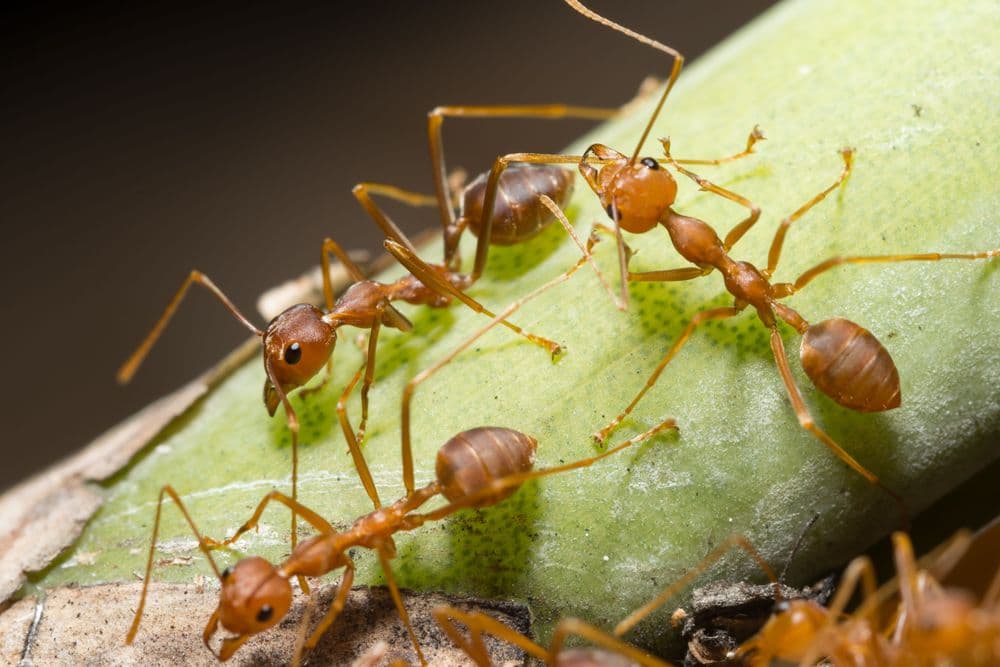
Start with the basic body plan: head, thorax, abdomen. Notice how clearly each section stands out and how they connect. Insects with a dramatic “pinched” waist between thorax and abdomen usually fall into the wasp-bee-ant group, while beetles tend to look more compact, with hard wing covers forming a shell-like back. Slender, soft-bodied insects with long, folded wings may be true bugs, whose beak-like mouthparts and flat sides reinforce the ID. A clearly humped thorax with long hind legs leaping from it strongly suggests a grasshopper or cricket.
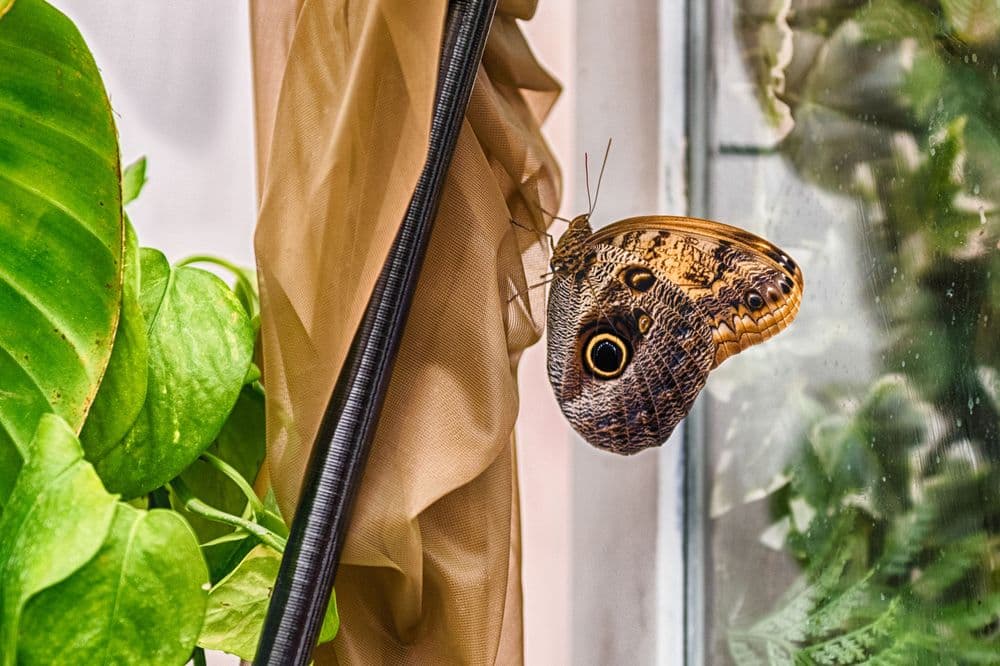
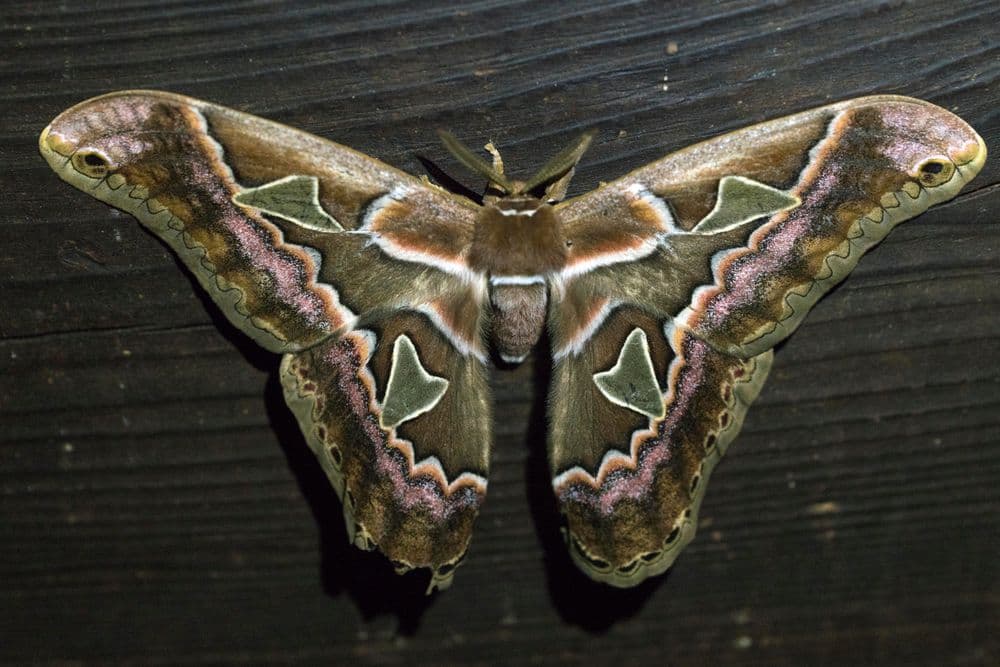
Pay particular attention to wings in silhouette. Count how many pairs you can see and how they rest when the insect is still. Butterflies typically hold wings upright like sails, moths more often fold them tent-like over the body or flat like a roof, and dragonflies keep both pairs spread horizontally. Flies offer a simpler clue: only one visible pair of wings, plus a small balancing knob behind them if you look closely. Beetles carry stiff front wings that form a hard case, meeting in a straight line down the back, with a second pair of membranous wings folded underneath.
Legs and antennae often provide the final shape-based tip. Oversized hind legs ready for jumping point toward grasshoppers, crickets, and some leafhoppers. Raptorial, spiny front legs held as if in prayer are typical of mantises. Very long, whip-like antennae usually hint at active, alert insects dependent on touch and smell, like crickets or longhorn beetles, while short, clubbed antennae are characteristic of many butterflies and some beetles. By combining these structural cues, you can build a strong working ID even when the insect’s colors are dull or worn.
Recognizing Behavior as a Living Signature
Behavior turns a static outline into a living signature. How an insect moves, feeds, and interacts with its surroundings often clinches identification when color and shape alone leave you unsure. Even a few seconds of watching can reveal key habits, from hovering patterns to burrowing styles, that repeat predictably within major groups. Training yourself to notice these patterns makes your recognition skills far more robust.
Movement in the air is one of the most useful behavioral clues. Many bees and wasps travel in relatively straight, purposeful lines between flowers or nest sites, rarely hovering in place for long. In contrast, hoverflies live up to their name: they hang motionless in the air, then dart sideways or backward before settling again. Dragonflies patrol back-and-forth over water or open spaces, turning sharply mid-flight, while butterflies usually flutter in an irregular, drifting path. If two insects share similar colors, their flight style often reveals which is which.
Feeding behavior and where an insect spends its time provide further recognition tips. Insects that frequently dive deep into flowers, collecting pollen on fuzzy bodies, are usually bees. Butterflies tend to land delicately and uncoil a long, thin tongue to sip nectar, often keeping their wings spread or half-closed while they feed. True bugs with piercing mouthparts may cluster on plant stems or fruits, standing still as they suck sap. Predatory beetles and mantises actively stalk or ambush other insects, while many ants follow distinct scent trails in lines, transporting food or building materials back to a nest.
Body posture and social behavior are especially helpful when insects look similar. Some wasps and bees defend nests aggressively and will circle or bump intruders, whereas many look-alike flies remain indifferent when approached. Ants with wings might resemble small wasps at first glance, but watching them reveal clear trails, frequent contact with nest mates, and characteristic antennal “greeting” behaviors. Insects that mimic others often copy colors but not full behavior patterns, so paying attention to how they move, gather food, or interact with each other can break the illusion and lead you to the correct group.
Putting Color, Shape, and Behavior Together
Reliable insect recognition comes from layering color, shape, and behavior, not relying on any single feature. Each clue reduces the range of possibilities, and the combination often lands you close enough to identify at least the family or common name. The process becomes a quick mental checklist: what stands out about the colors, what is the overall body plan, and what is it doing right now. With practice, this takes only moments and feels natural rather than forced.
A simple approach is to start with the broadest, easiest clues and then refine. First, note the main color blocks and contrasts you see from a normal viewing distance. Second, look at the shape: number of wings, presence of a narrow waist, leg size, and antenna form. Finally, watch the insect’s behavior for a short time, focusing on flight pattern, feeding style, and social interactions. The more often you run this sequence, the more your brain builds quick shortcuts for common combinations, such as “fuzzy, banded, purposeful flier in flowers” translating to “bee.”
When you encounter something unfamiliar, use the same three-part framework to organize your observations rather than guess wildly. Write down or mentally store a brief description that includes one detail from each category: a color pattern, a structural feature, and a behavioral note. This record lets you compare later with guides or photos and reinforces recognition the next time you see a similar insect. Over time, you will find that many “new” insects fit patterns you already know, just with small twists in shade, size, or habit.
Conclusion
Insect recognition becomes much easier when you treat color, shape, and behavior as a linked set of clues. Color draws your eye first, but shape anchors your ID and behavior confirms or corrects it. Practice watching insects through this three-part lens for just a few minutes whenever you are outdoors. As patterns repeat, your confidence and accuracy will grow. With steady attention, the insect world around you will shift from anonymous motion to familiar, recognizable forms.
 X
X Facebook
 Telegram
 Instagram
 WhatsApp