
Garden pests: identify and control insects fast
Fast, accurate pest identification can make the difference between a thriving garden and a ruined season. Insects multiply quickly, and damage spreads before many gardeners notice the first chew marks. Instead of guessing, you need a simple way to spot what is attacking your plants and to choose the quickest, least-disruptive control. This guide focuses on the key visual clues, common culprits, and fast-response tactics that stop garden insect pests before they take over.
How to Quickly Identify Garden Insect Pests
When something is eating your plants, start by looking at the damage, not the insect. Even if the pest hides during the day, its feeding pattern leaves a reliable signature. Holes in leaves, sucked-out patches, curled foliage, and shiny trails all point to different groups of insects, which narrows your search and speeds up control.
Chewing damage is the most common clue in home gardens. Ragged edges, missing chunks, or skeletonized leaves, where only the veins remain, usually indicate caterpillars, beetles, or grasshoppers. Large, irregular missing areas on vegetables or ornamentals often point to slugs and snails overnight or larger beetles like Japanese beetles during the day. Tiny, perfect “shot holes” scattered across leaves are frequently made by flea beetles, especially on young brassicas like kale and cabbage.
Sucking pests leave more subtle but equally serious damage. Pale stippling, silvering, or fine speckling on leaves often signals spider mites, thrips, or leafhoppers, which remove plant juices without obvious holes. Sticky honeydew on leaves or furniture beneath plants is a strong sign of aphids, whiteflies, or scale insects feeding above. Black sooty mold growing on this honeydew confirms that sap-sucking insects are active nearby, even if you do not see them at first glance.
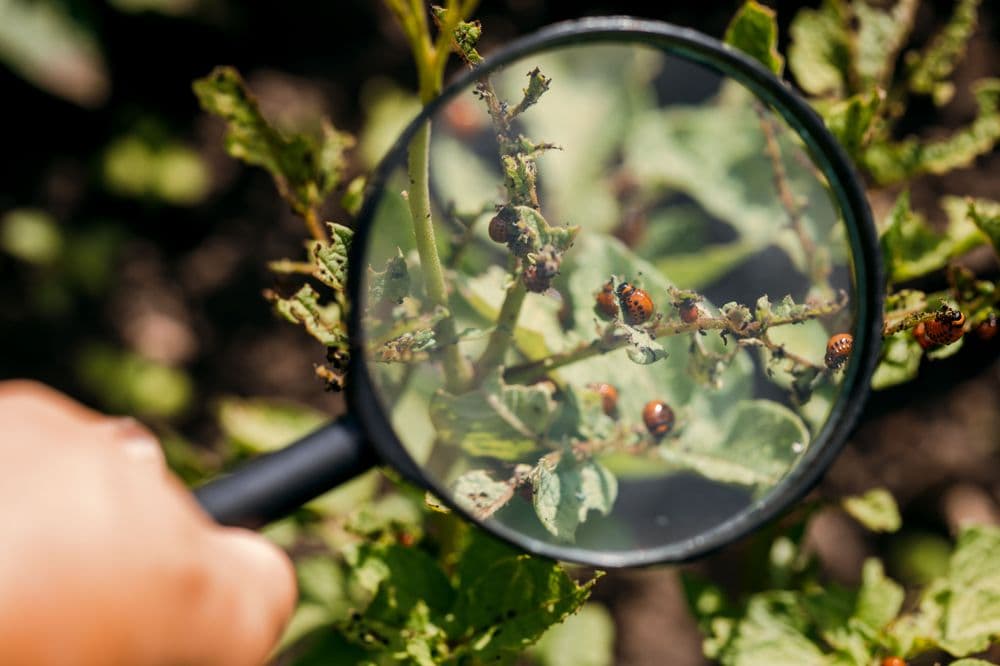
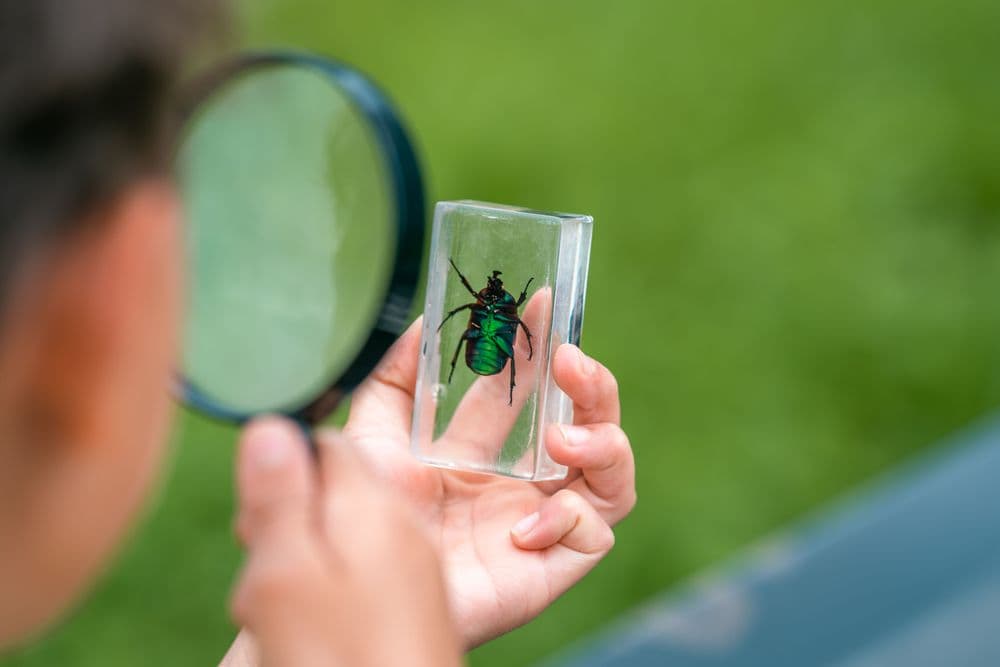
Inspect plants closely at different times of day to find the actual insects. Many caterpillars, beetles, and earwigs feed at night, while aphids, whiteflies, and leaf miners are easy to spot during daylight on the undersides of leaves. Use a hand lens to see tiny pests like spider mites and thrips on the leaf surface or in flower buds. Check new growth, leaf undersides, and where stems meet leaves, because these sheltered spots are usually the first to host infestations.
Fast identification often comes down to matching a small list of very common garden pests to the plants they prefer. Aphids cluster on tender tips of vegetables and roses. Cabbage worms chew brassicas, leaving green droppings on leaves. Colorado potato beetles target potatoes, tomatoes, and eggplants. Knowing these classic pest–plant pairings lets you jump straight to likely suspects and verified photos, so you can confirm the insect and move immediately to control.
Common Garden Insect Pests and Their Fast Fixes
Once you know what type of insect you are dealing with, you can select targeted controls that act quickly without harming the entire garden ecosystem. Focus on a handful of frequent offenders that damage vegetables, herbs, and ornamentals, and keep a small toolkit of ready-to-use methods on hand so you can respond the same day you spot trouble.
Aphids are small, soft-bodied insects that cluster on stems, buds, and new leaves, often in green, black, or red forms. They curl leaves, stunt growth, and smear everything with sticky honeydew. Rapid control starts with physical removal by blasting colonies off with a strong stream of water, which dislodges many beyond recovery. Follow up with insecticidal soap or horticultural oil applied thoroughly to leaf undersides if populations rebound. Encouraging lady beetles and lacewings, or refraining from broad-spectrum insecticides, keeps natural aphid enemies working for you.
Caterpillars, including cabbage worms, tomato hornworms, and various moth larvae, chew large irregular holes and can strip foliage quickly. Hand-picking is surprisingly effective, especially in small gardens, and dropping caterpillars into soapy water eliminates them immediately. For faster area-wide control on edible crops, use Bacillus thuringiensis (Bt), a selective biological insecticide that targets caterpillars while sparing most beneficial insects. Apply it to leaves in the evening so it remains active when larvae feed, and reapply after rain for sustained protection.
Beetles such as Japanese beetles, Colorado potato beetles, and cucumber beetles are destructive chewers that can also spread plant diseases. Shaking beetles into a bucket of soapy water early in the morning, when they are sluggish, is a rapid way to cut down numbers. Floating row covers keep beetles off young plants during peak activity periods, buying time for plants to grow stronger. If necessary, spot-treat heavy infestations with neem-based products or other targeted insecticides, focusing on affected plants rather than broadcasting chemicals across the whole garden.
Spider mites and thrips are tiny but can devastate plants in hot, dry conditions. Leaves may appear dusty or speckled, with fine webbing from spider mites or distorted flowers from thrips. Quick response starts with increasing humidity and washing foliage thoroughly, which disrupts their preferred dry microclimate. Insecticidal soap and horticultural oil applied carefully to leaf surfaces and undersides can suppress active populations. For potted plants or greenhouse crops, isolating infested plants and treating them separately prevents rapid spread to healthy plants.
Slugs and snails, technically not insects but common garden pests, require fast action when moisture is high. Slimy trails and missing chunks in seedlings signal their presence overnight. Manual nightly collection with a flashlight, combined with traps such as shallow beer dishes or moist boards, reduces numbers quickly. Barriers like copper tape around containers or sharp grit around vulnerable plants provide quick protection while you reduce the population. Avoid leaving dense mulch directly against stems, because it shelters these pests during the day.
Fast, Practical Control Strategies for Garden Insects
Acting quickly does not always mean reaching for the strongest chemical. The fastest effective control often comes from combining immediate mechanical actions, short-term barriers, and targeted low-toxicity treatments. This layered approach knocks down outbreaks without wiping out beneficial insects that naturally keep pests in check over time.
Start with direct physical controls whenever possible. Hand-picking beetles and caterpillars, pruning out heavily infested shoots, and squashing small colonies are immediate, low-risk actions that stop damage the same day. A strong hose spray aimed at the underside of leaves quickly removes aphids, mites, and whiteflies from many ornamental and vegetable plants, especially if repeated over several days. Removing obvious pest hotspots early often prevents the need for broader interventions.
Use exclusion and trapping to protect vulnerable crops fast. Floating row covers placed over beds at planting prevent flying insects like cabbage butterflies, leaf miners, and cucumber beetles from ever reaching young plants, as long as the covers are secured and removed for pollination when flowers open. Yellow sticky traps catch whiteflies, fungus gnats, and some leafhoppers near greenhouse doors or problem beds, helping you detect infestations early and reducing numbers. Beer traps, pitfall cups, and boards provide quick slug and earwig control in specific trouble spots.
Reserve sprays for targeted, timed applications rather than general coverage. Insecticidal soaps and horticultural oils act quickly on soft-bodied pests like aphids, mites, and whiteflies when sprayed directly on them. Neem-based products can disrupt feeding and growth of many pests when used consistently according to label directions. If you must use a stronger insecticide, choose one labeled for the specific pest and crop, apply it in the evening when pollinators are less active, and limit treatment to affected plants to preserve beneficial insects nearby.
Maintain a short, clear checklist for fast decision-making each time you notice damage. First, identify the damage pattern and check for pests on leaf undersides and new growth. Second, remove what you can manually and prune out the worst areas. Third, decide whether to add a barrier, trap, or targeted spray based on pest type and plant value. Finally, schedule a follow-up check within a few days to confirm that damage has slowed and to re-treat if necessary. This simple routine turns pest control into a quick, repeatable habit instead of a crisis.
Conclusion
Quick identification and early action are the most effective tools for managing garden insect pests. By reading damage patterns, checking likely hiding spots, and knowing key culprits, you can match problems to solutions in minutes instead of days. Combining hand removal, barriers, and targeted low-toxicity products ends most outbreaks before they spread. Keep a small toolkit and a repeatable inspection routine, and your garden will stay healthier, more resilient, and far better protected from fast-moving insect pests.
 X
X Facebook
 Telegram
 Instagram
 WhatsApp