
Household bugs: how to spot and remove them safely
Household bugs are a fact of life, but infestations are not. Learning to recognize common indoor pests and remove them safely lets you protect your home without overusing harsh chemicals. This guide focuses on clear visual signs, simple checks you can do yourself, and low-risk methods to get rid of bugs while keeping people, pets, and beneficial insects safe.
How to Spot Common Household Bugs
The key to safe removal is correct identification. Many bugs look similar at a glance, but their habits and risks are very different. Before you spray anything, slow down, observe, and collect clues about where and how the insects are appearing in your home.
Bed bugs are small, flat, reddish-brown insects that avoid light and hide in tight cracks near where people sleep. You are more likely to see their signs than the bugs themselves, including tiny dark spots on mattress seams, rusty smears on sheets, and pale shed skins along the bed frame. Bites often appear as small itchy welts in clusters or lines on exposed skin, especially on arms, legs, and the neck.
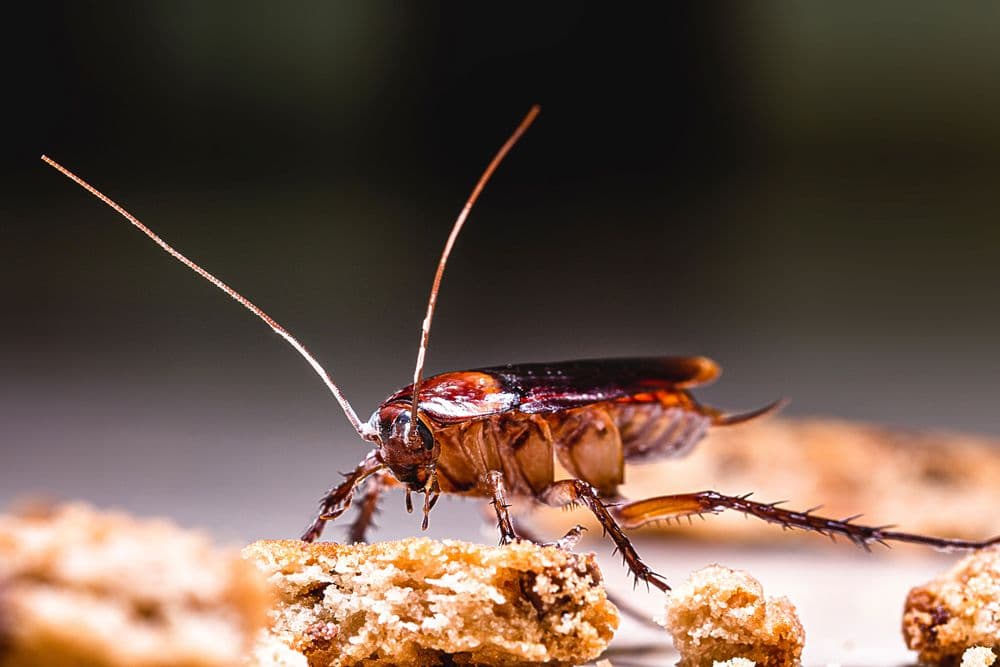
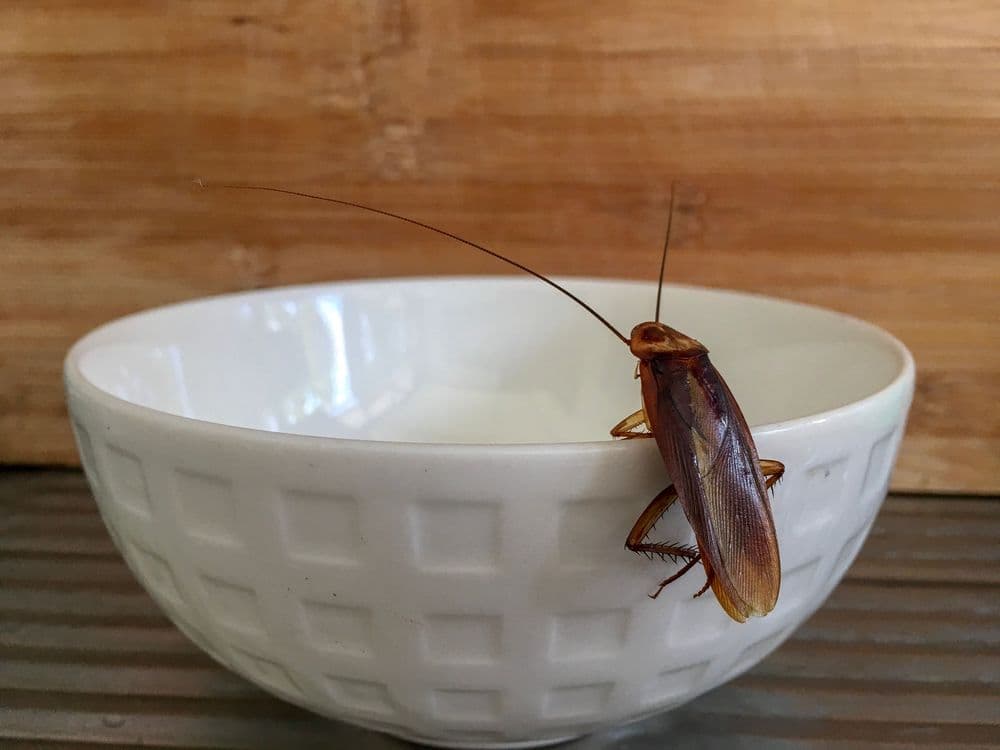
Cockroaches are usually active at night, so daytime sightings suggest a larger problem. German cockroaches are light brown with two dark stripes behind the head, while American cockroaches are larger and reddish-brown. Confirm their presence by looking for pepper-like droppings in cabinet corners, behind appliances, and along baseboards, as well as oval egg cases and a musty, oily odor in heavily infested areas.
Ants inside the home usually travel in clear trails along edges and cracks. Small dark “sugar ants” and pavement ants are attracted to sweet or greasy food and often appear on counters, pet bowls, and trash areas. Carpenter ants are larger and can indicate moisture problems in wood, often leaving behind piles of sawdust-like frass near wall voids or windows. Following a trail back toward tiny gaps in walls or floors helps you find entry points.
Pantry pests such as grain beetles and moths are most often discovered in dry food storage. Look for tiny beetles or wriggling larvae inside rice, flour, cereal, or pet food, and check for silk webbing or clumped, discolored food. Moth infestations may show as small tan moths flying when you open a cupboard, with fine webbing inside opened packages and on container seams.
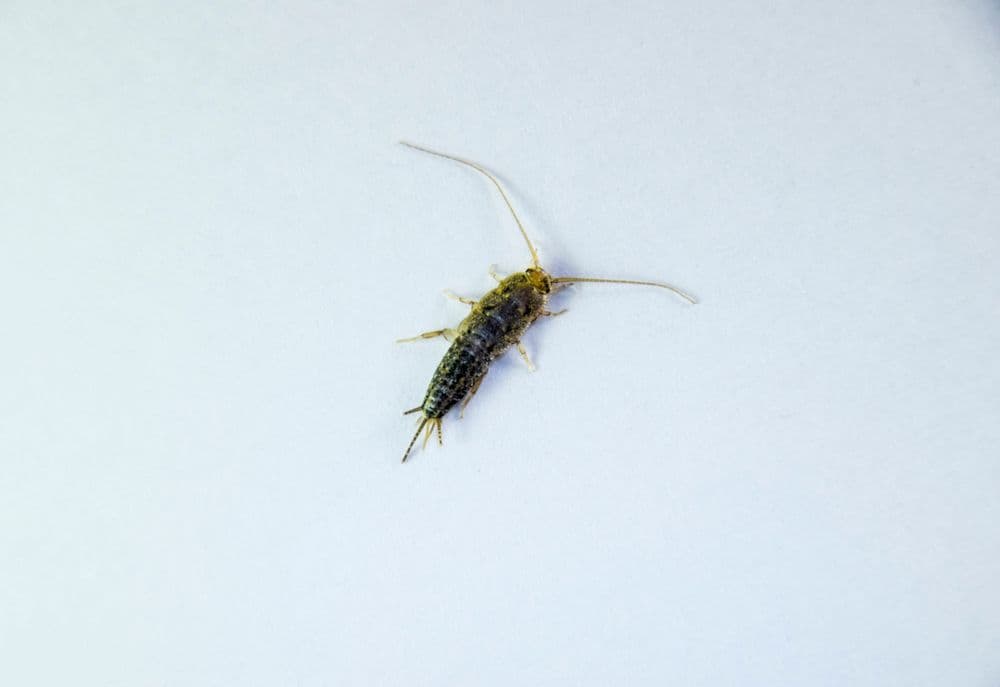
Moisture-loving pests like silverfish and house centipedes often appear in bathrooms, basements, and laundry rooms. Silverfish are tear-shaped, silvery insects that move with a quick, darting motion and may feed on paper, fabrics, and glues. House centipedes have many long legs and move very fast along walls and floors, and while they look alarming, they rarely bite and actually prey on other household bugs.
Safe Removal Strategies for Each Type
Once you have a reasonable idea of what you are dealing with, choose the safest method that can still reliably control the pest. Always start with physical removal and habitat changes before resorting to insecticides, and check labels carefully if you use any product indoors.
For bed bugs, chemical sprays alone are almost never enough, and unsafe self-treatment can spread them. Begin with thorough vacuuming of mattress seams, bed frames, skirting boards, and nearby furniture, emptying the vacuum contents into a sealed bag outdoors. Use mattress and box-spring encasements designed for bed bugs to trap remaining insects and prevent new hiding places. Wash bedding, curtains, and washable soft items on hot cycles and dry on high heat. If you suspect more than a very small, clearly contained problem, consider professional heat treatment or integrated pest management rather than heavy spraying.
To manage cockroaches safely, target them with baits and sanitation rather than broadcast sprays. Place gel baits or enclosed bait stations in hidden areas such as under sinks, behind the refrigerator, and near plumbing penetrations, keeping them away from children and pets. Reduce food and water sources by immediately cleaning spills, storing food in sealed containers, running kitchen and bathroom fans to dry surfaces, and fixing leaks under sinks. Use sticky traps in corners to monitor progress and identify the worst hotspots.
Ant control depends on eliminating the colony rather than just killing visible workers. Clean up food residues thoroughly and wipe ant trails with soapy water or vinegar solution to remove pheromone tracks. Use ant baits near trails but not directly on them, allowing workers to carry poisoned food back to the nest. Avoid spraying over baited areas, because sprays can repel ants and prevent them from feeding on the bait. Seal obvious entry gaps around windows, baseboards, and utility lines with caulk after activity begins to drop.
For pantry pests, chemical products inside food storage are rarely needed and often counterproductive. The most effective step is to discard infested items in sealed bags and thoroughly vacuum cupboard shelves, cracks, and corners. Store remaining and new dry foods in airtight containers made of glass, metal, or thick plastic so that eggs and larvae cannot escape or enter. Wipe shelves with warm soapy water to remove food dust, and continue checking nearby items weekly until no new insects appear.
With moisture-loving bugs like silverfish and house centipedes, long-term control comes from drying and tightening the building envelope. Use a dehumidifier in damp basements, repair leaks, and improve ventilation in bathrooms and laundry rooms. Physically remove individual insects with a tissue, jar, or vacuum instead of spraying wide areas, especially if you see only a few. For silverfish hotspots in closets or storage spaces, use sticky traps and avoid storing cardboard boxes directly on concrete floors or near walls.
When and How to Use Low-Toxicity Tools
Even with good cleaning and repairs, some infestations need additional tools. Focus on low-toxicity options that work gradually and require correct, careful placement rather than broad spraying that may expose people and pets unnecessarily.
Diatomaceous earth labeled for insect control can be effective for crawling insects such as roaches, ants, and some pantry pests when applied in very thin layers. Lightly dust cracks, wall voids, and voids behind appliances rather than open surfaces, and avoid creating clouds you might inhale. The powder works mechanically by damaging the protective outer layer of insects, but it can also irritate lungs and skin if misused, so wear a simple mask and follow the label.
Insect growth regulators, or IGRs, are specialized products that prevent juvenile insects from maturing or reproducing. They are often used by professionals for cockroaches, fleas, and some pantry pests, and are usually lower in toxicity to humans than many contact insecticides. If you choose to use an IGR, select one specifically labeled for your target bug and space, and understand that results may take weeks as existing adults die naturally and young ones fail to develop.
For flying and occasional invader pests, physical barriers and traps are usually preferable to chemical sprays. Window screens in good repair, door sweeps, and carefully sealed gaps around pipes and vents stop many insects from entering in the first place. Sticky traps placed in low-traffic areas can catch wandering roaches, silverfish, and spiders, and can be checked regularly to measure whether your other efforts are working.
Use conventional insecticides indoors only when other methods are clearly insufficient and the pest poses a real health or structural risk. Always choose products specifically labeled for indoor residential use and for the insect involved, and never exceed the recommended amount or frequency. Avoid foggers and total-release aerosols unless specifically recommended by a professional, because they can drive pests deeper into walls and leave residues without truly eliminating colonies.
If you live with children, pregnant people, chronic illness, or sensitive pets such as birds or fish, take extra care before introducing any chemical. Consider consulting a licensed pest control professional who uses integrated pest management, asking directly about non-chemical and reduced-risk options, and confirming what preparation and re-entry times are required.
Prevention Habits That Keep Bugs Away
Safe removal is easier when you prevent problems from building in the first place. Small, consistent habits around food, moisture, and clutter make your home less attractive to most household bugs and reduce the chance of needing strong chemicals later.
Food management is central to prevention because nearly all indoor pests seek calories and water. Store dry goods in sealed containers, avoid leaving dirty dishes overnight, wipe counters after each meal, and take out kitchen trash regularly before it overflows. Pay attention to pet feeding stations by picking up bowls after feeding times, cleaning spills, and storing pet food in tight containers rather than open bags on the floor.
Moisture control helps deter cockroaches, silverfish, termites, and mold-associated insects. Fix dripping faucets and sweating pipes, caulk around tubs and sinks where water seeps into gaps, and run exhaust fans during and after showers or cooking. Keep gutters and downspouts clear so water drains away from the foundation, and avoid chronic damp spots in basements or crawlspaces by using dehumidifiers or improving drainage.
Clutter reduction makes it easier to see early signs of an infestation and removes many hiding places. Recycle old newspapers and cardboard rather than stacking them in corners, and store items in plastic bins with lids instead of open boxes. Move furniture slightly away from walls where possible so you can vacuum edges and inspect baseboards and electrical outlets. In bedrooms, keep stored items away from the bed frame to limit bed bug hiding spots.
Regular inspection is your early-warning system and does not have to be time-consuming. Once a month, open sink cabinets to check for droppings or moisture, look behind major appliances with a flashlight if possible, and quickly scan pantry shelves for webbing or movement. After travel or second-hand purchases, inspect luggage, used furniture, and textiles before bringing them fully into living spaces, focusing on seams, cracks, and folds.
Conclusion
Controlling household bugs safely starts with recognizing what you are dealing with, then choosing targeted, low-risk methods instead of broad, harsh treatments. Observing clear signs, using physical removal and sanitation first, and reserving chemicals for when they are truly needed gives you better long-term results with less exposure. Build simple prevention habits around food, moisture, and clutter, and check hidden areas regularly so small problems never turn into full infestations. When in doubt or facing a widespread issue, seek professional help that emphasizes integrated, low-toxicity pest management.
 X
X Facebook
 Telegram
 Instagram
 WhatsApp