
Mosquito vs gnat: how to identify tiny flying bugs
Tiny flying bugs around your head or lights can be hard to identify at a glance. Are they mosquitoes that bite, or harmless gnats that are just annoying? Knowing the difference helps you choose the right control methods and avoid unnecessary worry. This guide walks you through simple visual clues, behavior patterns, and bite signs so you can quickly tell mosquito vs gnat the next time a speck-sized flier zips past your face.
Mosquito vs gnat at a glance
Mosquitoes and gnats are both small, delicate flies, but they are built for very different lifestyles. Mosquitoes are specialized blood-feeders with long needle-like mouthparts that can pierce skin, while most gnats feed on plants, fungi, or decaying material. You can usually distinguish them in a few seconds if you know what to look for, even without a magnifying glass.
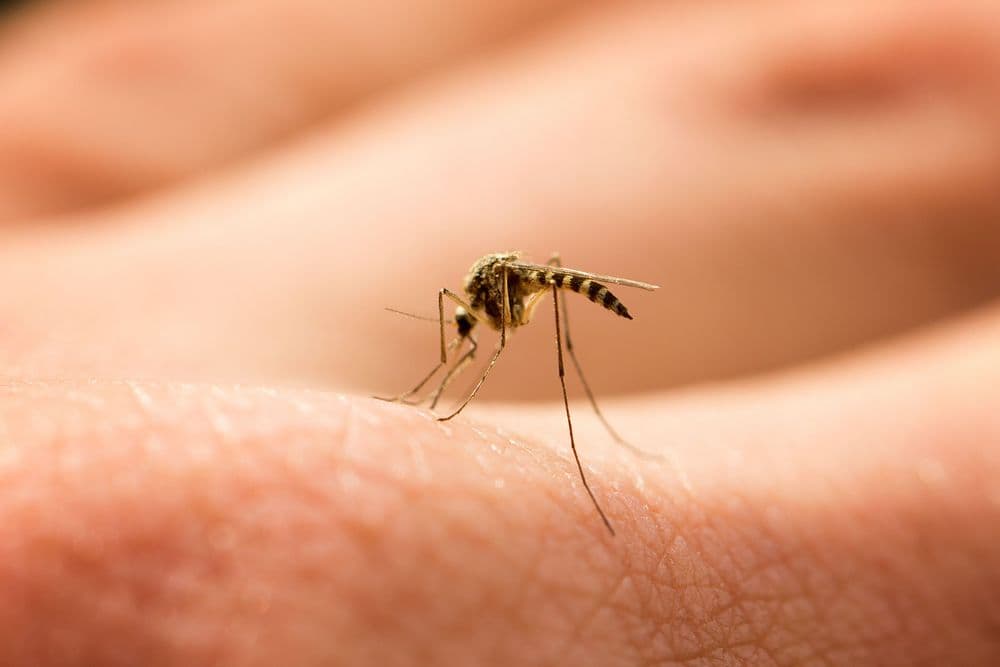
Mosquitoes tend to look more “angular” and elongated, like tiny flying cranes, with long legs and a distinct hunchbacked posture when they land. They usually have a clearly visible proboscis that points forward. Gnats, in contrast, usually appear as tiny specks or blobs with much shorter legs and no obvious “needle” on the front of the head. When a cloud of insects hovers near your face outdoors, a quick look at body shape and behavior will often tell you which group you are dealing with.
If the insect is large enough to see clear body segments and a forward-pointing beak, think mosquito. If it is more like a mini fruit fly or fungus fly with a small head and rounded body, it is probably a gnat or another small non-biting fly. While there are exceptions, these quick visual impressions are surprisingly reliable for everyday identification in homes, gardens, and patios.
Key physical differences to spot
Physical features are the fastest way to separate mosquito vs gnat, especially when the insect lands on a wall, window, or your arm. Paying attention to size, body shape, legs, wings, and mouthparts will give you a solid identification in seconds. You do not need scientific terminology; simple visual comparisons are usually enough.
Mosquitoes have a slender, segmented body that looks like a tiny stick with a small head and a distinct abdomen attached to a thin waist. Their legs are long, spidery, and often held away from the body, making them look larger than they are. A hallmark is the proboscis, a straight or slightly curved tube projecting forward from the head, used to draw blood or plant fluids. The wings are narrow, often with fine scales, and usually rest flat over the back or slightly apart when the insect is stationary.
Gnats are usually smaller, often just a few millimeters long, with a shorter, more compact body that can look tear-shaped or oval. Their legs are typically shorter relative to body length than those of mosquitoes, so they appear less stilt-like. Most gnats lack a prominent forward-projecting proboscis, and their mouth area looks more like a tiny rounded face than a beak. Their wings can be clear or slightly smoky and may be held roof-like or flat, depending on the species, but they do not give the long, crane-like silhouette associated with mosquitoes.
Another useful clue is how the insect holds its body when resting. Many mosquitoes adopt a head-down, tail-up angle to the surface, so the body is not parallel to the wall or skin. Gnats, by contrast, more often sit with their bodies roughly parallel to the surface, similar to small flies. If you can see the insect well enough to note body angle, this detail can quickly tip the balance toward one ID or the other.
Behavior, habitat, and bite clues
Appearance is important, but behavior and location can confirm whether you are seeing mosquitoes or gnats. How they fly, where they hang out, and what happens after contact with your skin provide additional identification clues, especially when the bugs are too small to inspect closely.
Mosquitoes are strongly associated with standing water, since their larvae develop in ponds, buckets, birdbaths, clogged gutters, or any container that holds water for several days. Adults are most active at dusk and dawn, often flying quietly and directly toward exposed skin. They single out individuals rather than forming large visible swarms, and they often approach from below or behind. After a successful bite, a mosquito usually leaves a single raised bump or welt that may itch for hours or days, sometimes with a central puncture point.
Gnats commonly appear around houseplants, compost, damp soil, overripe fruit, or decaying organic matter. Many species form visible swarms, especially over lawns, near water, or in shaded outdoor spaces, and they may hover persistently around eyes, nose, and mouth. Indoor fungus gnats tend to walk and crawl on soil surfaces and nearby windows more than they land on people. While some biting midges and black flies are technically gnats and can cause painful bites, most tiny non-mosquito flies in homes are non-biting or only mildly irritating, leaving no clear puncture mark and often no lasting bump.
If you are being repeatedly bitten in a yard with standing water, especially in the evening, mosquitoes are the likely culprits. If you mostly notice small flies around potted plants, drains, or fruit, and your skin shows no obvious bite marks, you are probably dealing with gnats or related nuisance flies rather than mosquitoes. Observing when and where you encounter the insects, along with any skin reaction, is often enough to confirm your visual impression.
Quick practical identification checklist
When you need a fast decision about mosquito vs gnat, simple yes-or-no checks can guide you without detailed entomology knowledge. A few seconds of focused observation, ideally when the insect is resting, can clarify what you are seeing.
- Check whether you can clearly see a long, straight, beak-like tube on the front of the head that points forward, which strongly suggests a mosquito.
- Note whether the body is long and stick-like with exaggerated stilt legs or short and compact with legs that seem more proportional, which indicates gnat-like flies.
- Watch the posture when the insect lands on a wall or skin, since a head-down, tail-up angle is typical of many mosquitoes while a parallel-to-surface pose is more typical of gnats.
- Pay attention to flight behavior, since mosquitoes tend to fly alone and quietly toward exposed skin while gnats often hover in groups or clouds around faces, plants, or lights.
- Look at the surroundings where you see the insect most often, because mosquitoes cluster near standing water whereas gnats concentrate near moist soil, drains, or decaying organic matter.
- Check your skin an hour or two later for distinct raised, long-lasting welts that suggest mosquito bites rather than the absent or mild irritation typical of most gnats.
Using this quick checklist repeatedly trains your eye, so over time you can identify tiny flying bugs almost instantly. You do not need a perfect view every time; combining partial visual cues with behavior and habitat usually provides a confident answer.
Conclusion
Distinguishing mosquito vs gnat comes down to a few key clues: body shape, presence of a beak-like proboscis, posture when resting, and where and how the insect behaves. Mosquitoes are long-legged, needle-mouthed biters linked to standing water and dusk activity, while gnats are usually smaller, rounder nuisance flies that swarm near plants, drains, or decaying material. When in doubt, match what you see to the checklist of shape, posture, flight pattern, and skin reaction. With a bit of practice, you can quickly identify tiny flying bugs and choose the right way to avoid bites or reduce nuisance in your home and yard.
 X
X Facebook
 Telegram
 Instagram
 WhatsApp