
Moth or butterfly? Quick identification checklist
Telling a moth from a butterfly sounds easy until one lands in front of you and refuses to match the textbook picture. Field guides often list many exceptions, which can be frustrating when you just want a fast answer outdoors. This compact checklist focuses on visible traits you can assess in a few seconds, without a microscope or expert training. Use it as a practical decision aid, not a rigid rulebook, and you will sort most butterflies and moths confidently.
The Fast Checklist: Start With What You Can See
When you spot a mystery insect, work through a brief visual checklist rather than fixating on any single feature. No one trait separates all butterflies from all moths, but several combined give you a reliable pattern. Begin with what is obvious at a glance, then move to smaller details only if you need more certainty.
First look at how the insect holds its wings when resting, because posture is visible even at a distance. Butterflies usually fold their wings vertically over the back, while many moths hold them flat like a tent or roof over the body. Next scan the antennae, since their shape is one of the most powerful cues; clubbed tips suggest butterfly, while feathery or threadlike antennae usually indicate moth. After those two steps, check body build and colouring for additional evidence. A slim, sleek body and bright daytime colours support butterfly, while a thicker, fuzzier body and more muted tones lean moth. Finally, note when and where you see it, because activity time and attraction to lights often reinforce the identification.
Wings, Antennae, and Body: Core Visual Clues
The most dependable quick distinctions involve wings, antennae, and overall body shape. Together they explain much of the traditional “moth or butterfly” image, and they remain useful in real field conditions. Focus on clear, structural traits that do not change with age or wear.
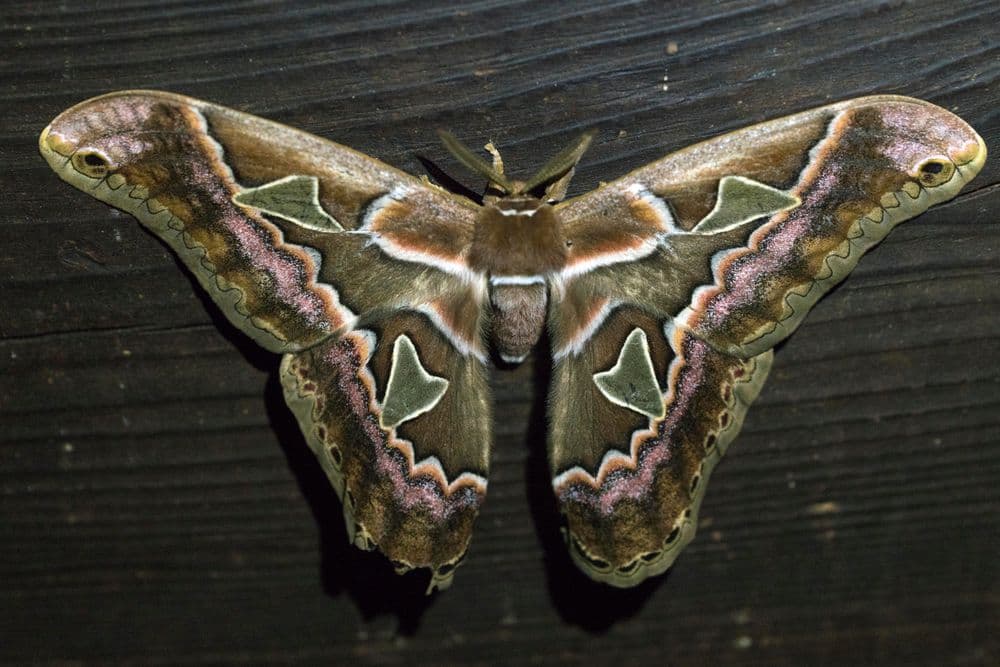
Wing posture at rest is usually your first major clue. Many butterflies perch with wings closed upright, showing mostly the undersides, and only occasionally bask with wings open and flat. Many moths rest with wings spread out or sloping over the body like a tent, hiding the legs and sides. Some day-flying moths, however, mimic the butterfly style and sit with partially closed wings, so treat this as one strong hint rather than final proof. Wing shape also helps, because butterflies often have more angular or triangular forewings, while moth wings tend to be broader and more rounded.
Antennae provide one of the most decisive checklist items. Most butterflies have smooth, threadlike antennae ending in a clear club, hook, or slight swelling, which is visible even without magnification if you can see the head. Most moths have antennae that are either fully threadlike from base to tip or show comb-like or feathery structures, especially in males. If you can clearly see feathered or combed antennae, the insect is almost certainly a moth. If you see a simple stick with a knob at the end, that strongly supports butterfly.
Body build adds another layer of evidence. Butterflies usually look relatively slim with a narrower, less hairy abdomen and a cleaner, more delicate outline. Many moths show thicker bodies with more obvious hair or scales, giving them a slightly plush or bulky appearance when viewed from the side. Combined with how the wings cover the body, this can quickly push your identification one way or the other.
Behavior, Timing, and Habitat: Clues Beyond Shape
When structural cues are unclear, behavior and timing can nudge you toward the right answer. These traits are especially useful when the insect is moving too quickly to inspect closely or when light conditions are poor. Observing how it flies, when it is active, and how it reacts to light can all contribute meaningful hints.
Most butterflies are active during the day and are easily seen visiting flowers in bright sunlight. Their flight tends to be more direct and deliberate, often moving from bloom to bloom in relatively straight or gently looping paths. They usually settle on open surfaces, such as flower heads, bare ground, or sunlit leaves, where their vertical wing posture is easy to spot. Butterflies rarely come to artificial lights at night, so an unknown lepidopteran fluttering around a porch lamp after dark is very unlikely to be a butterfly.
Most moths are active at dusk or at night, and many come readily to streetlights, windows, or porch lights. Their flight can appear more erratic or fluttery, especially around light sources, and they often rest on vertical surfaces such as walls, tree trunks, or door frames. Some moths, however, fly by day and visit flowers in full sun, occasionally confusing observers. When you see a day-flying nectar feeder that looks “butterfly-like,” recheck its antennae and wing posture to confirm, because behavior alone is not enough.
Habitat details slightly refine your identification when combined with other factors. A colourful insect over a sunny meadow or garden flower bed is more likely a butterfly, while a muted, bark-coloured insect on a tree trunk or shaded wall is more likely a moth. Use these environmental cues as supporting evidence in your checklist rather than primary identifiers, and always weigh them against wing and antenna structure.
Handling Exceptions: When the Checklist Disagrees
Occasionally your quick checklist will generate mixed signals, such as a moth with clubbed antennae or a butterfly resting with wings spread. Recognizing these exceptions prevents unnecessary confusion and helps you make a more balanced judgment. Instead of giving up, treat a conflict as a cue to prioritise the most stable features and look more closely.
When features disagree, antenna shape should usually carry the most weight. A clear club at the tip almost always indicates butterfly, even if the insect is active at dawn or is resting with wings flat. Conversely, feathery or strongly comb-like antennae overwhelmingly indicate moth, whatever the time of day. Resting posture and activity time are more flexible behaviors and can vary with temperature, species, and local conditions, so they should be treated as secondary clues.
Colour and pattern can also mislead you. Some moths are brilliantly coloured and fly in bright daylight, closely imitating butterflies to discourage predators. In these cases, bright colour and day activity may both point to butterfly, while antennae and body build quietly indicate moth. If you are unsure, try to get closer or take a clear photograph that captures the head and a side view of the body. Later, you can revisit your photo and reapply the checklist more carefully, focusing on antennae clubs, wing attachment, and how the hindwings sit against the abdomen.
For very small or worn individuals, structural details may be hard to see, and absolute certainty is not always realistic in the field. Accepting a “best guess” based on multiple, partly visible traits is reasonable, especially if you record your level of confidence. The key is to let the checklist guide you toward a reasoned conclusion instead of relying on a single, unreliable feature.
Conclusion
Distinguishing moth from butterfly becomes much easier once you rely on a consistent checklist rather than scattered rules. Start with wing posture, then confirm with antenna shape, body build, and overall behavior. Give the most weight to antennae, support your decision with several other traits, and treat time of day and colour as helpful but not decisive. With a little practice, these quick observations turn into habit, and most mystery visitors to your garden will reveal their identity in a few seconds.
 X
X Facebook
 Telegram
 Instagram
 WhatsApp