
Termite vs ant: easy ways to tell them apart
Telling termites from ants matters more than most people realize. One is usually a nuisance; the other can quietly hollow out your house. The good news is that you do not need a magnifying glass or a degree in entomology to tell them apart. A few quick visual checks—wings, waist, antennae, and behavior—will usually give you a confident answer in seconds.
This guide sticks to practical, easy ways to separate termites from ants, with simple tests you can use indoors or outdoors. Focus on the big three checks: body shape, wings, and how the insects act when you disturb them. Combine those clues and you will almost never confuse the two again.
Termite vs ant: the fastest visual checks
When you spot small insects around wood, your goal is to decide “termite or ant?” as quickly as possible. Instead of trying to remember every textbook difference, concentrate on three primary clues you can see with the naked eye or a phone flashlight: waist shape, antennae shape, and wing shape and size.
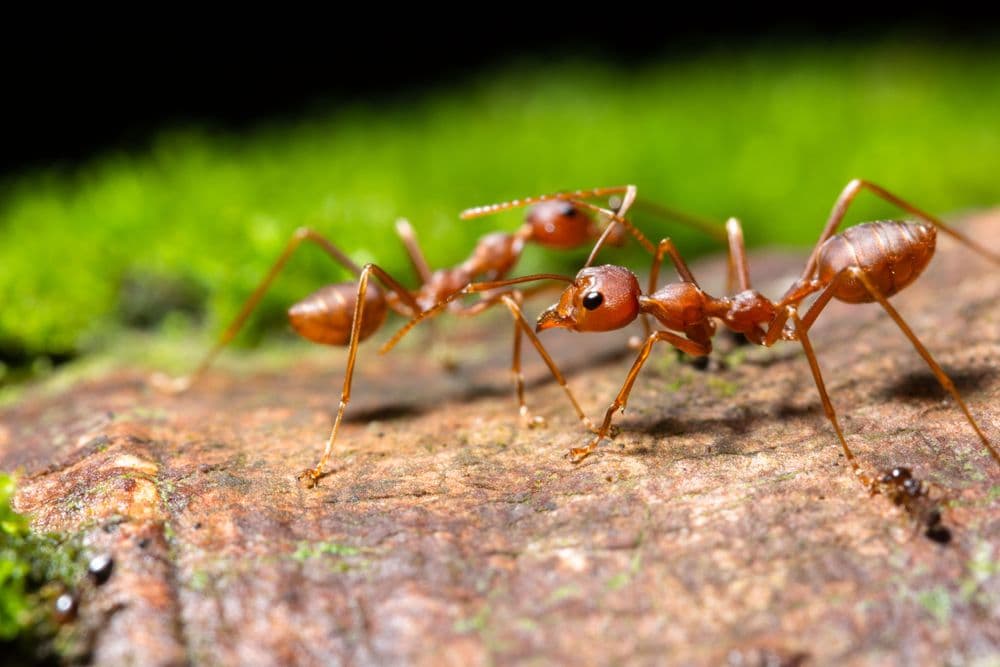
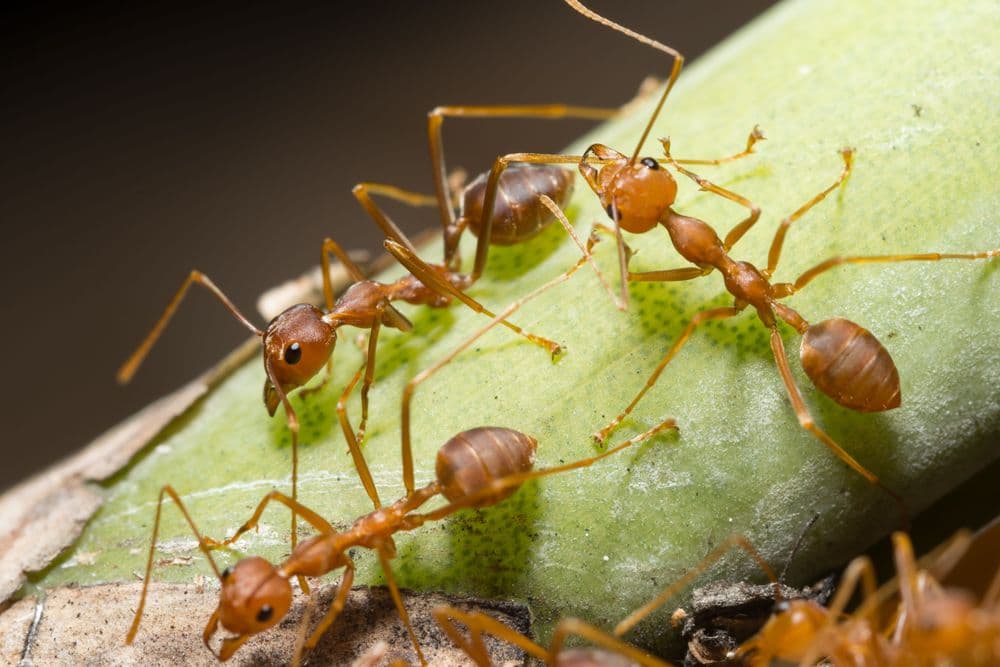
First, look at the waist. Ants have a clearly pinched “hourglass” or “sandglass” waist where the body narrows sharply between the chest and abdomen. Termites have a much straighter, tube-like body without that dramatic pinch. If the insect looks like it is wearing a tiny belt, you are likely looking at an ant rather than a termite.
Next, check the antennae. Ant antennae bend in the middle like a little elbow, giving them a distinctly jointed look. Termite antennae are straight or only gently curved, more like a string of beads. Even in poor light, you can often see whether the antennae make a sharp angle or run smoothly forward from the head.
Finally, pay attention to wings on any flying individuals, especially during swarming season. Termites with wings (called swarmers) have two pairs of wings that are equal in length and extend well past the tip of the body. Flying ants also have two pairs of wings, but the front pair is clearly longer than the back pair. If you find shed wings on a windowsill, termite wings tend to be long, all the same size, and with a more uniform, veiny appearance.
Body shape, color, and movement differences
Once you have checked waist, antennae, and wings, finer body details and behavior can strengthen your identification. These are especially helpful when you are looking at workers that do not have wings, which is often the case inside walls, under mulch, or in rotting wood.
Termite workers are usually pale—often white, cream, or light tan—and they look soft-bodied and unarmored. They avoid light, so when you expose them by pulling back cardboard or wood, they scramble away in clusters and try to stay hidden. Ant workers are typically darker, ranging from reddish brown to black, with a shinier, more armored appearance and a clearly segmented body.
Movement patterns also differ in ways you can spot without special tools. Ants tend to follow distinct trails, moving in busy, organized lines between food and nest. They often explore openly on surfaces, floors, and counters. Termites usually stay concealed inside wood, soil, or mud-like tubes, and you mostly see them only when their shelter is broken open. When disturbed, termites scatter in more chaotic clumps, while ants often keep streaming along their routes.
Size comparisons can mislead you, since both groups include small and large species, but some general tendencies help. Termite workers in a colony look relatively similar to one another in size and shape, especially within a single species. Ant colonies often show more visible size differences among workers, with minor workers, major workers, and in some species distinct soldier forms with big heads. When in doubt, rely on waist shape and antennae instead of size alone.
Where and how you find them: habitat clues
The location and setting where you encounter the insects offer strong hints about whether you are dealing with termites or ants. Because their lifestyles differ, the places they choose to travel, feed, and build leave distinct signs that you can quickly scan for around your home or yard.
Termites must stay moist and protected, so they construct shelter tubes that look like narrow, muddy veins running up foundations, along walls, or over wood. If you see these earth-colored tubes on concrete, brick, or wood, break one open and look inside. Finding pale, soft-bodied insects without a narrow waist strongly suggests termites using that tube as a protected highway between soil and wood.
Ants rarely build mud tubes in the same way, though some species may use soil to cover exposed paths. Most ants nest in soil, under stones, in rotting logs, or inside hollow spaces like wall cavities, but their traffic routes are usually open and visible. Trails of dark, small-bodied insects marching along a baseboard, countertop, or tree trunk are far more likely to be ants than termites.
Damage patterns also differ when you inspect wood. Termites typically eat wood from the inside out, leaving thin outer surfaces intact but hollow beneath, often with mud or soil packed into the galleries. Wood may sound hollow when tapped or crumble when probed with a screwdriver. Ants, especially carpenter ants, excavate wood to create smooth, clean tunnels and galleries rather than eating it. Their galleries are usually free of mud and contain piles of wood shavings and insect parts, often pushed out through small openings.
Indoor sightings give additional context. Winged insects suddenly appearing around windows or lights after rain or warm weather can be swarmers of either termites or ants. Examine dropped wings and bodies closely. Equal-length wings, straight antennae, and a thick waist point to termites; unequal wings and pinched waists point to ants. Because termite swarmers often shed large numbers of wings in one area, a drift of identical, long wings on a sill or floor is a warning sign worth acting on quickly.
Practical quick-test checklist
When you are standing in your kitchen, garage, or yard with insects in front of you, you need a simple mental checklist. Use these quick tests in order, and stop as soon as the answer becomes clear. A flashlight, your phone camera, and a sheet of white paper for contrast are usually all you need.
- Check the waist and antennae to see whether the body is pinched and the antennae are elbowed or whether the body is straight and the antennae are beaded.
- Look at any wings and compare the front and back pairs to see if they are equal length as in termites or noticeably unequal as in flying ants.
- Note the color and texture to see if the insects are pale and soft-bodied like termites or darker and harder-looking like ants.
- Observe movement and grouping to see if the insects follow clear trails in the open like ants or cluster and hide within wood and soil like termites.
- Inspect nearby wood or structures to see if they show mud tubes and soil-packed, irregular galleries typical of termites or clean, dry tunnels and wood shavings characteristic of ants.
If several clues line up with termites—thick waist, straight antennae, equal wings, mud tubes, and hidden, soil-filled damage—it is wise to contact a pest professional promptly. If the signs match ants, especially common house ants on open trails, you may be able to handle them with targeted cleaning, sealing, and baiting, unless you suspect wood-nesting carpenter ants.
Conclusion
Distinguishing termites from ants comes down to a handful of reliable visual and behavioral cues. Focus on waist shape, antennae, wing size, body color, and the presence or absence of mud tubes and hollowed wood. Use a quick checklist whenever you see suspicious insects around your home, especially near wood and foundations. Early, accurate identification lets you respond appropriately, reducing damage, cost, and stress. When in doubt, keep a few specimens, take close-up photos, and seek expert confirmation before assuming it is “just ants.”
 X
X Facebook
 Telegram
 Instagram
 WhatsApp