
Stingers or biters? Identify wasps, bees, and hornets
Most of us just see something striped and buzzing and think “bee.” Yet whether you are dealing with a wasp, bee, or hornet matters for how likely you are to be stung, how to react, and whether to call a professional. The key differences are not about memorizing species names but noticing body shape, behavior, and nest style. With a few simple clues, you can decide whether the insect is a likely stinger, mostly a biter, or a harmless look‑alike you can ignore.
Stingers vs. biters: what is actually happening?
A sting is a modified egg‑laying organ that works like a tiny hypodermic needle, injecting venom. A bite, by contrast, comes from the jaws, or mandibles, that are used to chew and cut. Wasps, bees, and hornets can all have both, but they use them differently.
Most bees and wasps rely on their stinger when defending themselves or their nest. Their mandibles are mainly tools for cutting plant material, shaping nests, or handling prey. Many solitary bees almost never sting humans and would rather retreat than fight. Social species guarding a nest are far more likely to sting if they feel threatened.
In contrast, some predatory wasps and hornets use their mandibles more aggressively. They bite prey such as caterpillars and flies, chew them into pieces, and feed them to their young. When these insects attack a person, you may experience both a painful sting and strong pinching bites, though people usually notice the sting more. Knowing that “stinger equals venom, mandibles equal cutting” helps you decode what is happening during any close encounter.
How to identify bees, wasps, and hornets at a glance
Being able to rapidly tell bee from wasp or hornet reduces panic and helps you respond appropriately. Focus on three things: body shape, surface texture, and behavior around food or flowers. You do not need a magnifying glass; most clues are visible in a quick look if you stay calm and keep a safe distance.
Bees, especially honey bees and bumble bees, tend to look fuzzy. Their bodies are robust, with a clear “barrel” shape and dense hairs that trap pollen. Their legs often appear thick and sometimes carry yellow pollen loads. Bees move flower to flower, staying focused on blossoms rather than your sandwich or drink. If you see a rounded, hairy insect working calmly on blooms, it is almost certainly a bee.
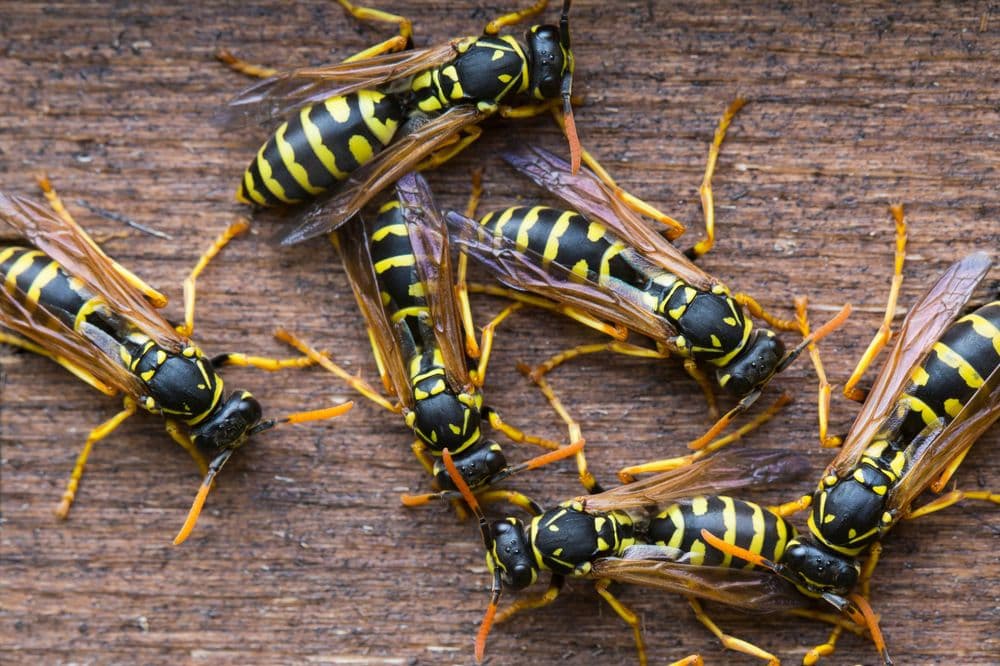
Typical paper wasps and yellowjackets have slimmer, more wasp‑waisted bodies and smooth, shiny surfaces. Their legs dangle when they fly, and they seem nervier, often investigating food at picnics or hovering around trash bins. Hornets are actually a type of wasp but usually appear larger and bulkier than common yellowjackets, with powerful heads and deep‑colored markings. They still look sleek and less hairy than bees. In short, “hairy and chunky” points to bees, while “sleek, narrow, and shiny” points to wasps and hornets.
Wasps and hornets: sleek hunters with powerful stings
Wasps and hornets are the main culprits when people complain about being “attacked” outdoors. Their slim build and strong flight allow them to patrol wide areas for food, and many species willingly defend their nests as a group. Distinguishing between common social wasps and true hornets clarifies how bold they might be near humans and how serious their stings can feel.
Social wasps, such as yellowjackets and paper wasps, often nest in or on human structures. Paper wasps build open, umbrella‑shaped combs under eaves or railings, with cells you can see directly. Yellowjackets favor hidden cavities like wall voids or underground burrows and are frequent uninvited guests at outdoor meals. These wasps can sting repeatedly and are quick to swarm if the nest is disturbed, making any accidental contact risky.
Hornets are larger social wasps that construct big, often spherical paper nests high in trees, shrubs, or under roofs. Their size, deeper hum, and bold black‑and‑white or black‑and‑yellow patterns can be intimidating. They use both stings and strong mandibles during defense, delivering multiple stings if provoked. Despite their fearsome reputation, hornets generally ignore people who keep their distance from the nest. If you notice a large papery ball nest or a thick stream of large wasps entering one opening, treat the area as off‑limits and consult a professional for removal.
Bees: fuzzy pollinators with defensive, not aggressive, stings
Bees are often blamed for stings actually caused by wasps, in part because anything striped gets called a “bee.” Recognizing genuine bees helps you avoid unnecessary fear while still giving them space. Their main role is collecting nectar and pollen from flowers, not patrolling picnics or raiding your trash. When bees sting, it is almost always a last resort to protect themselves or their colonies.
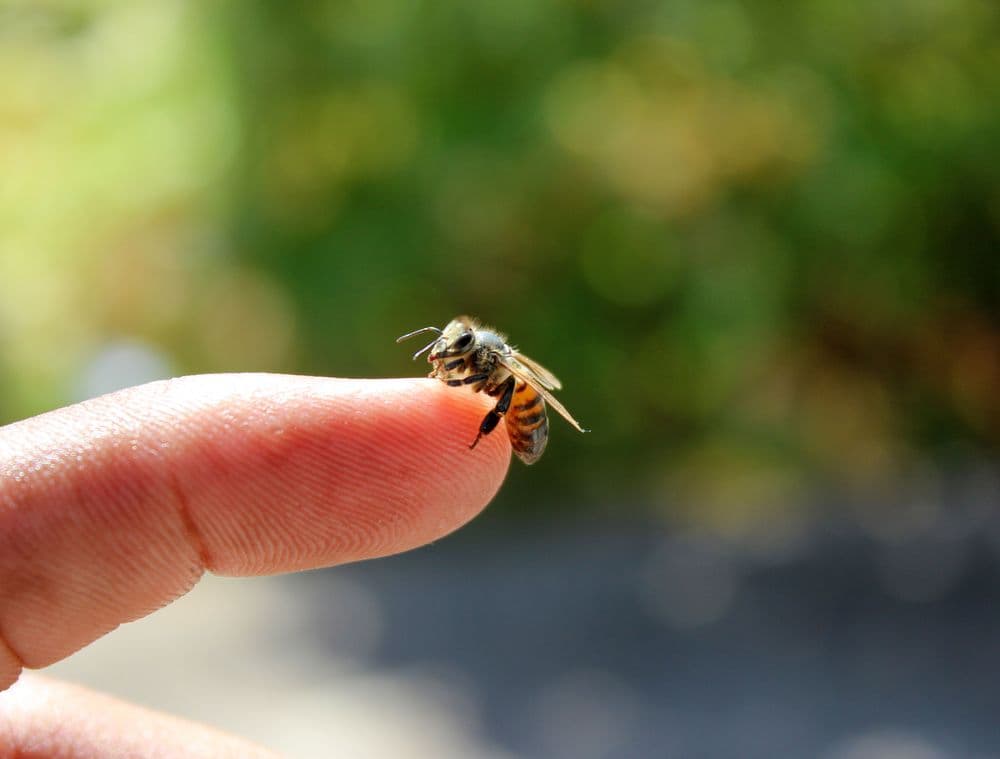
Honey bees have slim but hairy, golden‑brown bodies with even striping and relatively small heads. Workers focus intensely on flowers or hive entrances and typically ignore humans unless you pinch them or block the flight path to the hive. Their stinger is barbed, so it often lodges in human skin and tears free, killing the bee. This high cost means they do not sting lightly, but if they do, scraping the stinger out quickly helps limit venom dose.
Bumble bees are rounder and furrier, with dense, velvet‑like hair and bold black and yellow bands. They visit flowers even in cooler, cloudier weather and often appear surprisingly calm around people. Bumble bees can sting multiple times, but they rarely do unless a nest is disturbed or they are handled roughly. Many small native solitary bees are even less likely to sting and may barely react to your presence. In gardens, if the insect is deeply focused on blossoms and looks soft and fuzzy, you are almost always dealing with a bee whose priority is pollination, not confrontation.
Nest clues and behavior: when to back away
If you cannot get a clear view of the insect’s body, its nest and behavior can still tell you whether you are near a likely stinger or mostly harmless visitor. This is particularly useful when you see repeated traffic in and out of a hole, eave, or bush but cannot approach closely.
Bees such as honey bees often use cavities for their multi‑layered wax combs, with a steady, orderly flow of workers entering and exiting. They concentrate more on floral resources than on human food scraps and rarely patrol trash bins. If you see bees crowding around blossoms and flying in smooth arcs toward a single entrance, it is wise to give that path and entrance a respectful buffer zone.
Social wasps and hornets, by contrast, may show more erratic flight near people and food. Yellowjackets zoom in and out of ground holes or wall cracks and quickly switch from hunting insects to scavenging meats and sugary drinks. Paper wasps hang from their open comb nests and will often fly directly at your face if they sense a threat. Hornets aggressively defend the airspace around their large nests, rushing out in numbers if shaken or struck. In every case, sudden swarms, loud buzzing close to your body, and repeated circling are signs to retreat slowly without swatting and to consider professional nest removal if the site is close to regular human activity.
Conclusion
Learning to separate “stingers or biters” into bees, wasps, and hornets is mostly about noticing shape, hairiness, and behavior around food and nests. Bees are fuzzy, flower‑focused, and generally defensive rather than aggressive, while wasps and hornets are sleek hunters more likely to patrol your picnic. Paying attention to nest style and traffic helps you spot real risks before you stumble into them. With these visual and behavioral cues, you can stay calmer outdoors, avoid unnecessary danger, and decide when to simply step back or call in an expert.
 X
X Facebook
 Telegram
 Instagram
 WhatsApp