
Flying insects in home: identify and prevent entry
Flying insects in the home are more than a nuisance. Some bite, some contaminate food, and many hint at hidden moisture or hygiene problems. You do not need to eliminate every insect outdoors, but you can sharply cut the number that make it inside. That starts with correctly identifying what you are seeing and then blocking, drying, sealing and screening the routes they use to enter and breed.
Common Flying Insects Found Indoors
Not all small flying insects in the home are the same problem. Knowing the key visual clues helps you choose the most effective prevention tactics and avoid unnecessary sprays.
Houseflies are the classic indoor pest, with grey bodies, red eyes and fast, erratic flight around kitchens and bins. They land on food and surfaces, potentially spreading bacteria picked up from waste, drains and animal droppings. Clusters of houseflies often point to poorly covered rubbish, unclean recycling containers or overlooked food residues.
Fruit flies are tiny, usually brownish with red or dark eyes, and hover over overripe fruit, juice spills, fermenting liquids and bin liners. They often appear suddenly after food is left out or drains are not rinsed. If you see many fruit flies in one area, look for a small but persistent source of fermenting organic material nearby, such as a forgotten onion, a sticky bottle or a clogged sink strainer.
Mosquitoes are slender with long legs and a narrow body, usually resting on walls or near windows. Their whine and itchy bites give them away. Their presence indoors almost always signals nearby standing water, such as saucers under plant pots, blocked gutters, garden buckets or poorly drained yards. Some species actively prefer to breed in small, human-made containers close to houses.
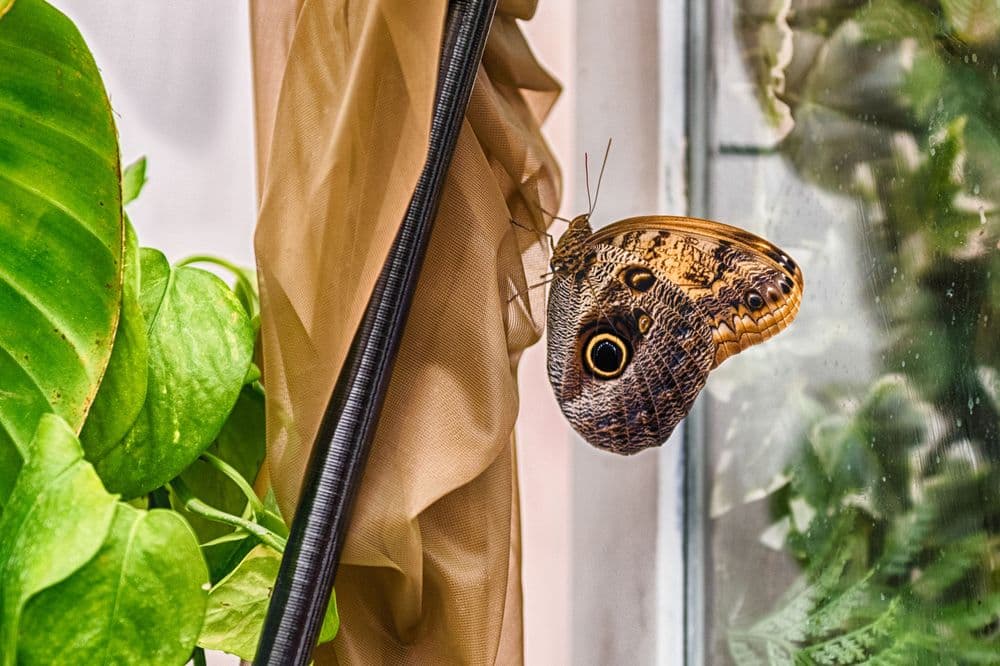
Moths that appear around wardrobes or pantries fall into two main types. Clothes moths are small, beige and flutter weakly in dark, quiet areas near fabrics. Pantry moths are slightly larger, often with patterned wings, and fly near stored grains, nuts and pet food. Finding either indoors means a food or fabric source is available and unprotected.
Small “flies” in bathrooms and kitchens may be drain flies or fungus gnats. Drain flies are fuzzy, moth-like specks that rest on tiles, walls or near drains, emerging from slimy deposits in pipes. Fungus gnats are more mosquito‑like and tend to hover around potted plants and damp soil. Both point to persistent moisture that needs attention more than aerosol insecticide.
How Flying Insects Get Inside
Flying insects rarely appear indoors without a pathway. They exploit any structure that provides light cues, air movement, odour trails and access to food and water. Closing those pathways is central to long-term prevention.
Windows and doors without tight-fitting screens are the most obvious routes. Even when shut, gaps along frames, warped sashes or missing weatherstripping can let small insects slip in. Insects are strongly attracted to indoor light, especially in the evening, so any illuminated, unscreened opening becomes a beacon. Sliding doors and older window frames commonly develop gaps that go unnoticed until you start seeing insects.
Vents and utility penetrations are often overlooked. Bathroom fans, kitchen extractors, dryer vents and air bricks can all function as insect doorways if their covers are damaged, missing mesh or not properly sealed at the edges. Cable and pipe entries for air conditioning units, gas lines and internet cables may leave small holes that are large enough for mosquitoes, moths or wasps to use as access points into walls and roof spaces.
Structural cracks around foundations, eaves and rooflines can also serve as entrance routes. While larger gaps are more famous for rodents, many flying insects readily use thin cracks, especially when they lead to cool, shady interior voids. Gaps under exterior doors, poorly sealed attic hatches and loose roof tiles are typical examples. Once inside cavities, insects may follow light and airflow into rooms through gaps around recessed lights and ceiling fixtures.
Habits also contribute. Propping doors open without screens, leaving windows ajar at dusk, or moving potted plants and outdoor containers indoors can accidentally carry insects or their eggs inside. Bringing in firewood, cardboard boxes or second‑hand furniture may introduce moths or other insects hidden in cracks or fabrics.
Indoor microclimates attract insects to stay rather than just pass through. Warm, humid bathrooms, constantly damp sinks, or kitchen corners with food spills offer perfect conditions for drain flies, fruit flies and gnats. If you notice insects repeatedly in a specific area, there is likely a combination of small gaps, light and attractive odours acting together to make that spot a hotspot.
Identification-Based Prevention Strategies
Precise identification lets you focus on the specific conditions that a type of flying insect needs, instead of trying generic controls that only work briefly. Targeting food, water and entry points for each insect type produces longer-lasting results.
For houseflies, the main priorities are food waste management and physical barriers. All indoor bins should have tight-fitting lids and be emptied regularly before food decays. Surfaces, cutting boards and floors need quick cleaning after cooking to remove residues. Doors and windows near kitchens benefit from well-fitted insect screens or self-closing mechanisms so flies cannot follow food smells inside.
For fruit flies, the key is removing fermentation sources. Store ripe fruit in the fridge, promptly discard spoiled produce and rinse bottles, jars and cans before recycling. Clean sink strainers, wipe up sugary spills and flush kitchen drains with hot water and a brush to remove slimy films. Simple homemade traps, such as a small container with vinegar and a drop of detergent, can help reduce adult numbers while you remove the breeding sources.
Mosquito prevention begins outside but pays off indoors. Eliminate standing water in plant saucers, buckets, old tyres and clogged gutters, and refresh pet water bowls frequently. Fit fine-mesh screens to windows and vents, and repair any tears or loose edges. Indoors, fans can make it harder for mosquitoes to fly and land, and bed nets offer protection in high-risk regions, but long-term relief depends on drying or covering breeding sites.
Moth control requires safeguarding fabric or food, depending on the species. For clothes moths, store woollens and delicate fabrics in sealed containers or garment bags, and clean infrequently used clothing before storage, as larvae prefer soiled fibres. Regularly vacuum wardrobe floors and corners. For pantry moths, keep grains, nuts and pet food in airtight containers, discard infested items and vacuum pantry shelves, including cracks where eggs and larvae hide.
Drain flies and fungus gnats respond best to moisture control. For drain flies, scrub inside drain pipes with a brush and detergent, not just pour chemicals, to physically remove biofilm. Run hot water regularly through seldom-used drains. For fungus gnats, allow potting soil to dry out between waterings, improve drainage and remove dead leaves from plant pots. Sticky traps near plants can reduce adults while moisture issues are fixed.
Sealing and Preventing Entry Points
After reducing breeding sites, the next step is to physically block insects from entering. This structural approach often provides the most durable reduction in flying insects in the home, with minimal ongoing effort.
High-quality insect screens are the frontline defence for windows and doors. Choose fine mesh sized to stop small insects such as midges and mosquitoes, and ensure frames are snug with no gaps at the edges. Sliding doors and windows benefit from brush seals along tracks, and magnetic or hinged fly screens can provide flexible access for frequently used doors. Inspect screens at least once a season for tears and loose corners.
Weatherstripping and door sweeps close the often invisible gaps around and under doors. Flexible strips along door jambs and compressible seals at the top and sides reduce the spaces insects use. A properly sized door sweep should lightly touch the floor or threshold, eliminating the thin gap that flies and mosquitoes exploit. Similar seals can be added to attic hatches and internal garage doors that connect to the house.
Vents and utility entries need dedicated covers. Exterior vents for bathrooms, dryers and kitchens should have intact flaps and a corrosion-resistant mesh behind them, small enough to keep insects out while allowing air to flow. Where cables, pipes or air conditioning lines pass through walls, fill the surrounding gaps with outdoor-grade sealant or appropriate grommets. Check these points annually, as materials can shrink or crack with weather changes.
Small cracks in walls, around window frames and at the junction between foundations and walls should be sealed to reduce hidden access routes. Use masonry-compatible fillers for exterior cracks and flexible caulk for interior gaps. Pay particular attention to zones where you frequently see insects appear, such as along skirting boards, window sills and ceiling corners, as these often correspond to internal voids connected to outside.
Lighting choices can influence how attractive your home appears to flying insects. Bright exterior lights placed directly above doors and unscreened windows draw insects toward entry points. Where possible, position outdoor lights away from main doorways and consider bulbs that emit less ultraviolet light, which is especially attractive to many flying insects. Closing curtains or blinds at dusk also reduces the light signal that pulls insects toward glass.
Conclusion
Keeping flying insects out of the home hinges on three linked actions: accurate identification, removal of breeding sites and sealing of entry points. When you know whether you are dealing with flies, mosquitoes, moths or gnats, you can target the specific food, water and shelter they need. Combine that with good screens, sound seals and dry, clean surfaces, and flying insects become far less common indoors. Regular quick checks of bins, drains, plants and openings will maintain these defences and keep your living space far more comfortable.
 X
X Facebook
 Telegram
 Instagram
 WhatsApp